Thinking about Tanzania? Here’s what you’ll actually see If you’re planning a trip to Tanzania, you’re in for a lot. This part of East Africa has that mix of wild animals, big landscapes, real culture, and little moments you don’t forget.
You’ve got the Serengeti with its wide open plains and the Great Migration.
Then there’s Lake Manyara where the lake turns pink with flamingos and, weirdly, the lions climb trees. It’s one of those places where wildlife feels close and real.
If you want more than safari, you can trek Mount Kilimanjaro, get lost in the old streets of Stone Town, or just slow down on the beaches in Zanzibar.
Between the animals, the coast, and the history, Tanzania is the kind of trip that stays with you.
The Annual Great Wildebeest Migration in Serengeti National Park

Serengeti is Tanzania’s most famous park, and a UNESCO site for a reason. The main draw is the Great Wildebeest Migration – probably the biggest wildlife show on earth.
Every year, about 1.5 million wildebeest, plus zebras and gazelles, move in a huge loop looking for grass. That loop goes all the way into Kenya’s Maasai Mara and back.
The part everyone talks about is July to August, when they hit the Mara River. Strong current, crocs in the water, lions and hyenas waiting on the banks. Every crossing is chaos and luck.
You can catch it on a normal game drive, from a hot air balloon at sunrise, or on foot where walking safaris are allowed. Honestly, it’s one of the main reasons Tanzania keeps pulling people back.
The Big Five Safari Animals in Tanzania (E.G., The Tree-Climbing Lions in Lake Manyara National Park, etc.)
No Tanzania safari feels complete without the chance to spot the legendary Big Five:
- Lions – including the famous tree-climbing lions of Lake Manyara; the Serengeti and Ngorongoro also support some of Africa’s strongest lion populations.
- Leopards – often seen in woodland areas, especially in the Serengeti.
- Elephants – especially common in Tarangire, Nyerere National Park, and Ruaha National Park.
- Rhinos – best known from the protected populations inside the Ngorongoro Crater.
- African buffalo – widely seen across many of Tanzania’s safari areas.
These animals remain the sightings many travelers hope for most, and Tanzania offers some of the best chances in Africa to see all five on a single safari.
Flamingos And Other Stunning Birds of Tanzania, East Africa
Birdlife is another major highlight in Tanzania, with more than 1,160 recorded species, including 29 endemics. Some of the standouts include:
- Flamingos at Lake Manyara and Lake Natron
- Ostriches in the Serengeti plains
- Crowned cranes, African fish eagles, turacos, and hornbills
- Endemics like the Fischer’s lovebird
Top birding destinations include Ruaha National Park, with more than 570 species, as well as Lake Victoria, the Usambara Mountains, and Tanzania’s coastal wetlands.
All of this makes Tanzania one of Africa’s most rewarding destinations for birdwatching.
Chimpanzees, Monkeys, And Other Primates in Tanzania
Tanzania is also home to some uncommon and interesting primates, including:
- Gombe Stream National Park and Mahale Mountains National Park Chimpanzees, Western Tanzania
- Forests with colobus, blue and vervet monkeys
- Kipunji (endemic to the Udzungwa Mountains National Park), and critically endangered
Chimpanzee trekking in Gombe Stream and Mahale Mountains National Park is exceptionally memorable, with close encounters in beautiful rainforest along the shores of Lake Tanganyika.
Aquatic and Marine Species
Another interesting feature of Tanzania’s attractions is the aquatic and marine life, especially for those who are interested in beach cruises and fishing adventures.
Its waters are inhabited by:
- Whale sharks (Mafia Island)
- Humpback whales (migration June-September)
- Five species of marine turtle
- Reefs of coral with over 1,000 fish species
- Freshwater cichlids from Lake Tanganyika
- Nile perch and tilapia in Lake Victoria
Visitors can take advantage of these seas for scuba diving, snorkelling, whale viewing, and traditional dhow cruises.
Other Wildlife Species in Tanzania
Apart from the Big Five, Tanzania also has a host of additional wildlife that makes every safari even more thrilling. These include:
- Giraffe (National symbol of Tanzania)
- On the grasslands of the Serengeti, cheetahs
- Hyenas, jackals and pigs
- Antelope species including impala, kudu, gazelles and bushbuck
- Rare climbing lions from Lake Manyara NP
- African wild dogs at Ruaha National Park & Nyerere National Park
Each safari location has its own mix of animals and habitats, which is part of what makes every Tanzania safari different.
Iconic Giant Baobabs and Other Unique Flora in Tanzania
The baobab tree, often called the “Tree of Life,” is one of Tanzania’s most recognizable natural features.
Its massive trunk can store up to 32,000 gallons of water, which helps it survive in dry savannah conditions. You’ll see some of the most impressive baobabs in Tarangire National Park, where they also make striking backdrops for wildlife photography.
Tanzania is also home to more than 9,000 plant species, from acacias and sausage trees on the savannah to orchids in the mountain forests.
Mount Kilimanjaro—A UNESCO World Heritage Site
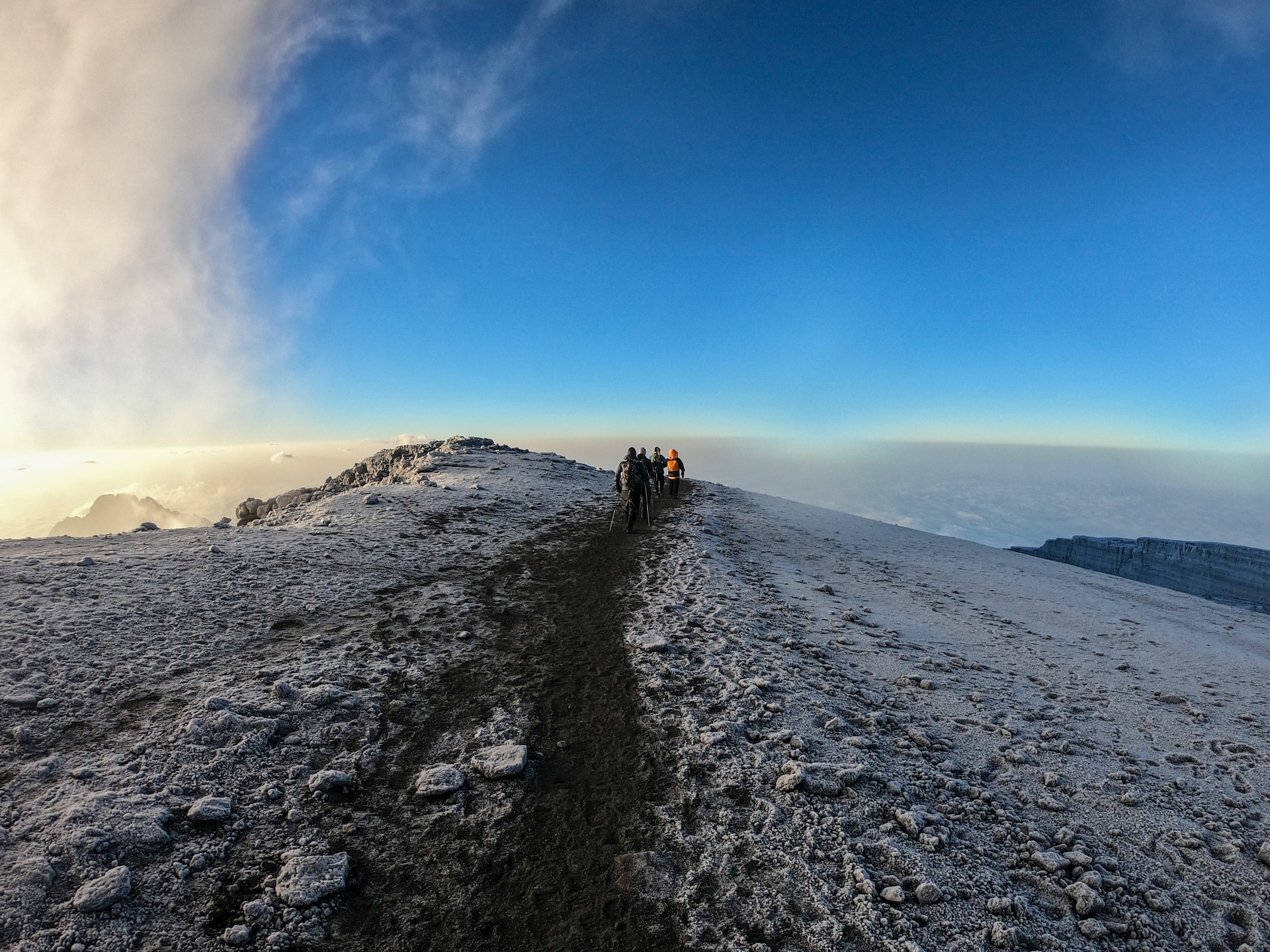
Mount Kilimanjaro is a must-see on any trip to Tanzania: it’s the highest mountain in Africa at a whopping 5895 meters.
The world’s tallest free-standing mountain and a UNESCO World Heritage Site, it is located in Mount Kilimanjaro National Park. It was constructed over one million years ago by volcanic eruptions associated with the Great Rift Valley.
Climbers can choose from routes like Machame, Marangu, Rongai, Shira, and Lemosho. Most treks last from 5 to 9 days.
Each year, more than 40,000 climbers reach the summit of Uhuru Peak on Kibo, the highest point on Kilimanjaro and one of the Seven Summits.
A Kilimanjaro climb typically costs roughly $2500, usually including guides, porters, cooks, and park logistics. Trekkers pass through a great variety of scenery on their path, from tropical forest to alpine desert and frigid peak zones.
Kilimanjaro can be climbed all year-round; however, the peak months are between late June and October and December to February.
Mount Meru
A good place to visit is Mount Meru, particularly for people on Tanzania hiking safaris.
Kilimanjaro is, more often than not, overshadowed by Mount Meru, but it is the second-highest mountain in Tanzania at 4,565 meters and lies within Arusha National Park. It’s a great acclimatization walk before Kilimanjaro, and gives trekkers lovely forest scenery, wildlife encounters, and incredible vistas from the summit.
The Ngorongoro Crater in the Ngorongoro Conservation Area
One of Tanzania’s true highlights, the Ngorongoro Crater is the world’s largest intact volcanic caldera and one of the country’s most remarkable places to visit on a wildlife safari.
It lies within the Ngorongoro Conservation Area, which is also recognized as a UNESCO World Heritage Site.
Its grasslands, lakes, and forested areas support more than 30,000 animals, including elephants, rhinos, and lions.
The crater floor is excellent for game drives, while the surrounding Ngorongoro Conservation Area also offers the chance to learn about Maasai culture, as wildlife and pastoral communities share the same wider landscape.
Tanzania’s Famous Lakes (e.g., Lake Victoria)
Tanzania’s lakes are among the country’s most rewarding natural attractions and are well worth including in a safari itinerary.
Lake Manyara
Lake Manyara is known for its flamingos, pelicans, and hippos. It sits within Lake Manyara National Park, an area also famous for tree-climbing lions and activities such as game drives, canoeing, and cultural visits with local Maasai communities.
Lake Natron
A dramatic alkaline lake, Lake Natron is an important breeding ground for millions of flamingos. Its reddish waters and the nearby Ol Doinyo Lengai volcano create one of the most striking landscapes in northern Tanzania.
Lake Victoria (Largest Freshwater Lake)
Lake Victoria is the largest lake in Africa and the largest tropical lake in the world. It is bordered by Tanzania, Uganda, and Kenya. On the Tanzanian side, it supports fishing communities and island resorts like Rubondo Island National Park, which offers visitors boating, fishing, bird watching, and cultural experiences.
Tanzania’s Lake Tanganyika
Lake Tanganyika, one of the world’s deepest lakes, is home to hundreds of indigenous cichlid species. It also borders Mahale Mountains National Park, where chimpanzee trekking adds yet another amazing layer to the experience.
Lake Eyasi
Lake Eyasi is a shallow seasonal lake in the north of Tanzania. It is well known for cultural interactions with the Hadzabe and Datoga populations, birdwatching, and the stunning environment near the Ngorongoro Conservation Area.
The Great Rift Valley in Tanzania
Tanzania is also blessed with the Great Rift Valley, with magnificent escarpments, volcanic peaks, hot springs, and famous lakes such as Manyara, Eyasi, Tanganyika, and Natron. It is one of the most distinctive natural places in the nation, both geologically and environmentally.
The Meandering Tanzania Rivers
Tanzania’s rivers are another important part of the country’s natural appeal and are well worth experiencing on safari.
Among the best known are the Mara River, famous for its role in the Great Migration, and the Rufiji River, which forms the lifeblood of Nyerere National Park.
Boat trips on these rivers reveal crocodiles, hippos, and aquatic birds.
Natural Wonders – Waterfalls and Hot Springs
Tanzania isn’t just about wildlife. You’ve got spots that make you stop and take photos.
- Materuni Falls, tucked near Mount Kilimanjaro, is perfect if you want a quick hike plus a cool swim.
- Kikuletwa Hot Springs, or “Chemka” as locals call it, has that clear turquoise water that looks fake until you’re floating in it.
- Then there’s Sanje Falls in the Udzungwa Mountains – a long drop with mist you can feel from the trail.
They’re easy add-ons if you want more than game drives.
People Of Tanzania
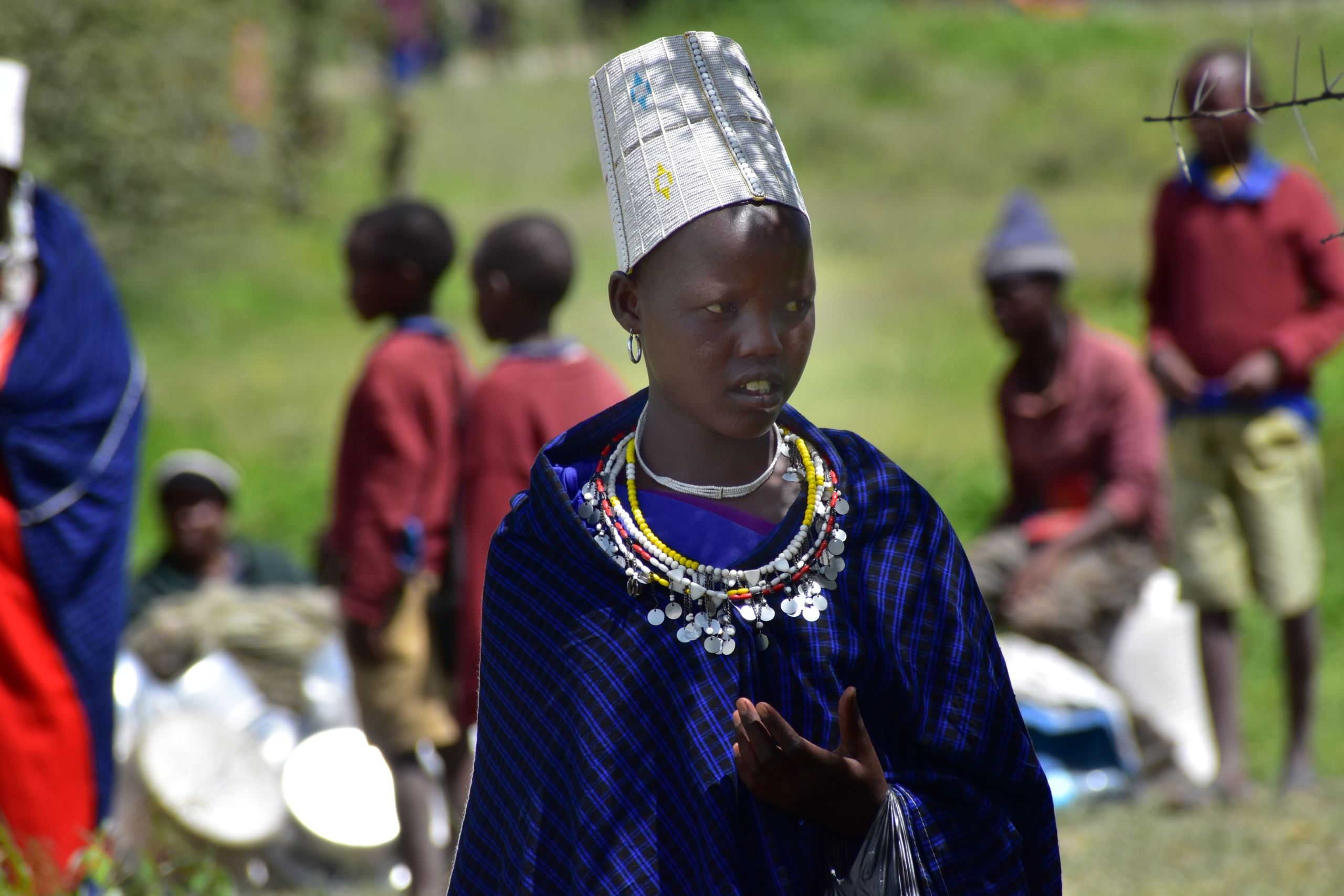
The people are what really make Tanzania stick with you. Over 120 ethnic groups live here, each with their own traditions, language, and style.
The Maasai are probably the most famous – you’ll spot them by the red shukas, beadwork, and how they carry themselves. But don’t skip the smaller villages too.
A short visit, some music, and watching daily life up close gives you a better feel for the country than any brochure.
Mouth-Watering Food in Tanzania
Tanzanian food is simple, filling, and full of flavor. Years of African, Indian, and Arab influence show up on every plate. You’ll eat a lot of ugali – that maize porridge that goes with everything.
Nyama choma, grilled meat over open fire, is everywhere, and locals take it seriously. Wali wa nazi, coconut rice from the coast, hits different.
And grab mandazi from a street vendor – basically sweet fried dough, perfect with chai. Food here isn’t fancy, but it connects you to the place fast.
Dar Es Salaam—Tanzania’s Bustling Gateway City
Dar es Salaam is Tanzania’s biggest city and where most people land first. It sits right on the Indian Ocean and feels like a mix of African, Arab, and Indian cultures.
Spend a few hours at the fish markets, wander through the old German buildings, or check out the National Museum.
It’s not a place most people stay long, but it’s useful – ferries to Zanzibar leave from here, and it’s a hub for flights heading to safari parks. Good spot to break up the journey.
Nightlife In Tanzania
Days are for safaris and exploring, nights are for relaxing or going out, depending on where you are.
Dar es Salaam has the most action – rooftop bars, beachfront restaurants with fresh seafood, clubs that stay busy late.
In Zanzibar City and the beach towns like Kendwa and Paje, you get full-moon parties, reggae nights, and bonfires on the sand.
Arusha keeps it mellow: small pubs, live bands, and occasional cultural dance shows.
So yeah, Tanzania has a nightlife too if you’re up for it.
Cultural and Historical Sites in Tanzania
Tanzania’s history runs deep, and you can feel it in a few key places.
Olduvai Gorge – Cradle of Humankind
This is where some of the earliest human fossils were found. The little museum there explains it well, and standing in the gorge itself is a bit humbling. You’re literally looking at where we started.
Stone Town, Zanzibar
A maze of narrow streets, carved wooden doors, spice markets, and old buildings. UNESCO listed it for a reason. Don’t miss the House of Wonders, Forodhani Gardens at night for street food, and the Hamamni Persian Baths. Every corner has a story.
Bagamoyo
Once a major slave trade port, now a quiet coastal town with Swahili ruins and a strong art scene. It’s slower than Stone Town but worth a stop if you like places off the main tourist path.
Arusha Cultural Heritage Centre
Right in Arusha town. It covers Tanzanian history, tribal art, and yes, tanzanite. The building itself is striking, and it’s a good intro before you head to the parks.
Old Dispensary & Old Fort, Stone Town
The Old Dispensary sits on the seafront with wooden balconies and stained glass – one of the prettiest buildings in town.
The Old Fort is the oldest structure in Stone Town and now hosts local shows and markets. Both give you a sense of Zanzibar’s layered past.
Museums and Religious Sites in Tanzania
In Dar es Salaam, the National Museum holds fossils from Olduvai and other artifacts. The Village Museum shows traditional houses from different tribes – you can walk through them.
For religious sites, Zanzibar has the Anglican Cathedral built on the old slave market, St. Joseph’s Catholic Cathedral with its twin spires, plus old mosques that show the island’s Islamic roots.
Festivals in Tanzania
If you time it right, festivals give you Tanzania at its most alive.
Sauti za Busara in Zanzibar brings musicians from all over Africa for a few days of nonstop music. The Zanzibar International Film Festival does the same for East African film.
Up north, the Serengeti Cultural Festival fills the air with dance and art. And in Dar, the Nyama Choma Festival is basically a giant barbecue party with music and good vibes.
Best Zanzibar, Tanzania Beaches, Islands, And Indian Ocean Coastal Attractions
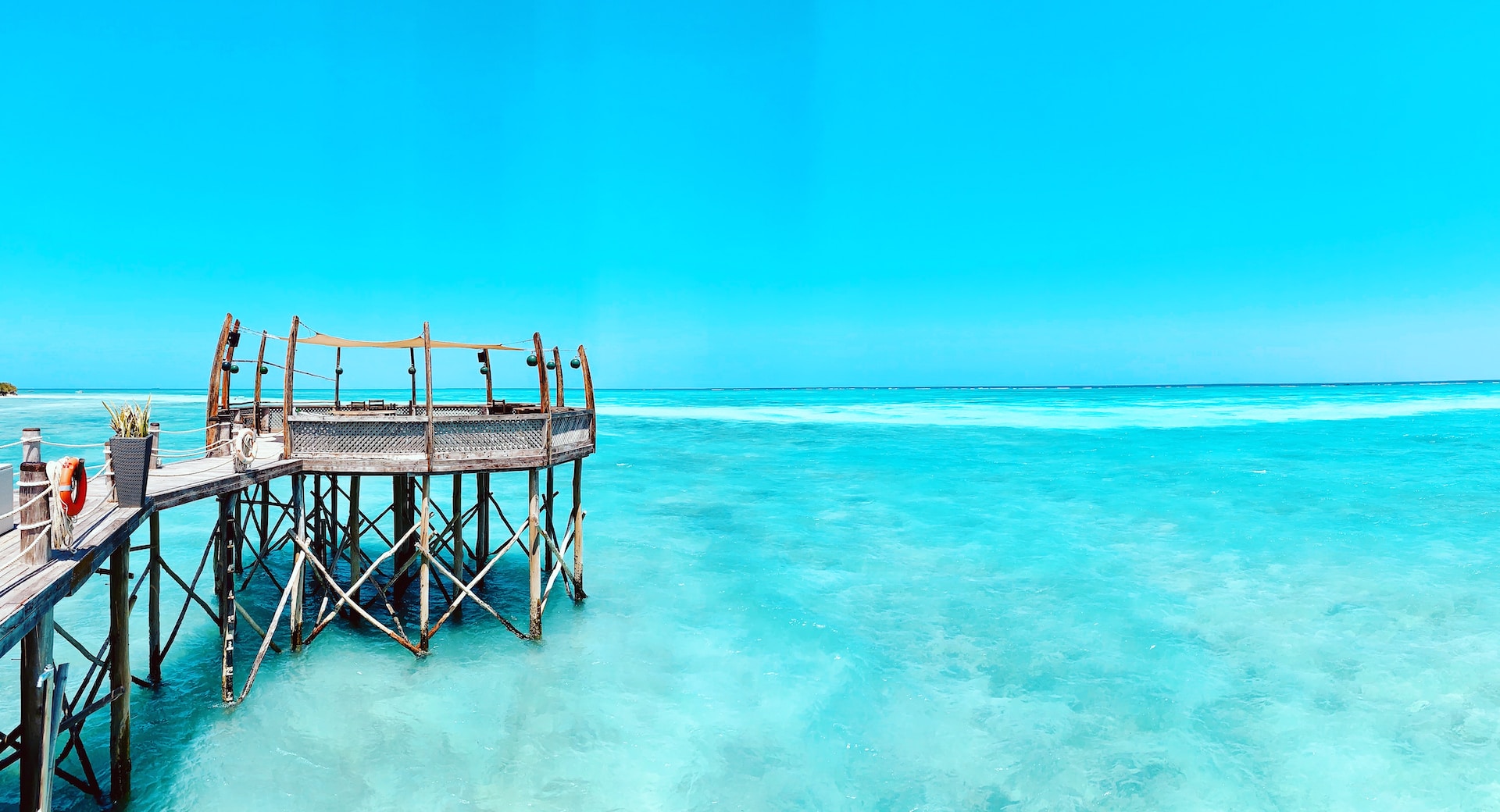
This is what people picture when they think “Tanzania beach holiday.” White sand, water that shifts from blue to green, and a slow pace.
Nungwi Beach
North tip of Zanzibar. Great for swimming, dhow cruises, fishing trips, or just lying in the sun. The sand stays white and the water stays clear.
Kendwa Beach
Next to Nungwi but with more energy. Beach parties, nicer resorts, and calm water for snorkeling. Sunsets here are ridiculous.
Paje Beach
East coast and kitesurfer heaven. If you want to learn, this is the place. Even if you don’t, it’s fun watching and the vibe is laid-back.
Mafia Island
Quieter than Zanzibar. Known for whale sharks, coral reefs, and proper diving. If you hate crowds, Mafia feels secluded.
Pemba Island
Even less developed. More for diving, spice farms, and boat trips. The reefs are healthy and the beaches are empty. Comes down to whether you want action or peace.
Popular Wildlife Safari Parks and Destinations Where We Find Tourist Attractions in Tanzania, Africa
Each destination offers something different, from classic game-viewing areas to remote wilderness and coastal escapes. Some of the best-known places include:
Serengeti National Park – Great Migration and Big Five
The classic national park in northern Tanzania. Endless plains, lions, elephants, and the Great Wildebeest Migration, if you hit the right months. It’s big with vast open plains, but that’s the point – you feel like you’re in the middle of nowhere.
Ngorongoro Conservation Area – Ancient Crater and Maasai Culture
The Ngorongoro Crater is basically a natural zoo that combines abundant wildlife, dramatic scenery, Maasai culture, and the archaeological importance of Olduvai Gorge.
Animals don’t leave, so sightings are reliable. Add in Maasai villages nearby and Olduvai Gorge, and you get wildlife plus history in one go in one of the best places to visit in Tanzania.
Tarangire National Park – Elephants and Baobabs
Famous for huge elephant herds and massive baobab trees. In dry season everything heads to the Tarangire River, so game viewing gets easy.
Tarangire is a good park if you want elephants without Serengeti crowds, plus rewarding photography and game viewing ops.
Ruaha National Park – Remote Wilderness and Antelopes
Tanzania’s biggest park and one of the least visited (one of the most remote safari destinations).
Varied landscape, strong wildlife, and very few other vehicles are what you find in Tanzania’s largest national park. If you want “off the beaten path” and don’t mind the long drive, Ruaha delivers.
Lake Manyara National Park – Flamingos and Climbing Lions
Lake Manyara may be smaller than some of Tanzania’s other parks, but it packs in a lot of variety, from flamingos and groundwater forest to hippos, elephants, and its well-known tree-climbing lions.
Nyerere National Park (Selous Game Reserve)
Nyerere National Park offers boat safaris on the Rufiji River, game drives, and walking safaris in a vast, less-crowded wilderness. It is a strong choice for travelers who want a more remote safari experience.
Katavi National Park – Untouched Wilderness
Katavi National Park is remote, wild, and lightly visited, which makes it especially appealing to travelers seeking an uncrowded safari with a strong sense of adventure.
Mahale Mountains National Park – Chimpanzee Trekking
Mahale Mountains National Park is famed for chimpanzee trekking, forested mountains, and the clear waters of Lake Tanganyika. It combines wildlife, scenery, and a real sense of remoteness.
Mikumi National Park – Accessible Safari
If you’re short on time, Mikumi is the one. It’s close to Dar es Salaam, with open grassland and animals that are pretty easy to spot. Good for a quick 2-3 day safari without long drives.
Arusha National Park – Mount Meru and Ecosystems
Small but packed. You’ve got Mount Meru, forest trails, the Momella Lakes, and a mix of scenery all close together. Great for hiking, birding, canoeing, or just a half-day game drive right outside Arusha town.
Gombe Stream National Park
This is where Jane Goodall did her chimp research. It’s tiny, tucked on Lake Tanganyika, and all about chimps. Trekking here feels personal – fewer crowds, dense forest, and you’re right on the lake.
Udzungwa Mountains National Park
If you like walking, this is your place. Thick rainforest, waterfalls, and primates you won’t see anywhere else. It’s less “game drive” and more hiking through proper jungle.
Zanzibar – Spice Islands and Beaches
After days on dusty roads, Zanzibar hits different. White sand beaches, spice farms, and Stone Town with its old doors and history. Most people come here to slow down at the end of a safari.
Tanzania has a lot more than just Serengeti. These places give you a real feel for the country.
Tanzania Tourist Attractions: Commonly Asked Questions
- Is Tanzania Safe?
For most tourists, yes. Safari areas and towns like Arusha, Dar, and Zanzibar see thousands of visitors every year. Just use normal travel sense – don’t walk alone late at night, listen to your guide, and keep valuables secure.
- Is Tanzania Good for Tourists?
Absolutely. You can do wildlife, beaches, mountains, and culture in one trip. Not many countries let you tick all those boxes without huge transfers.
- What Is the Most Visited Place in Tanzania?
Serengeti, hands down. The wildlife, the space, and the Migration make it the main reason people come.
- How Many Tourist Attractions Are There in Tanzania?
Tanzania packs a lot into one country. You’ve got national parks, game reserves, old historical sites, cultural villages, islands, beaches, lakes, and mountains. It’s not just safaris.
Places like Stone Town with its maze of alleys, Olduvai Gorge where early humans were found, and the beaches of Zanzibar give you totally different vibes. Basically, you won’t run out of stuff to explore.
- Why Is Tanzania a Popular Tourist Destination?
Because it feels raw and varied. You get untouched wilderness, real wildlife, and landscapes that actually make you stop and look.
The big draws:
- The Great Migration rolling through the Serengeti
- Kilimanjaro towering over everything as Africa’s highest peak
- Lions that climb trees in Lake Manyara – sounds weird until you see it
- Ngorongoro Crater, a huge volcanic bowl packed with animals
- Zanzibar’s white sand and reefs you can snorkel straight from the beach
- Stone Town and other spots where the culture and history are still alive
Put all that together and it’s hard not to get hooked.
- What Is Tanzania Most Famous For?
Most people come for the safaris and the Migration. Kilimanjaro is the other big name – climbers from all over try it. Zanzibar pulls in beach lovers. And UNESCO sites like Stone Town and Ngorongoro keep showing up on every “must-see” list.
- What Attracts People to Tanzania?
Tanzania mixes adventure, nature, and culture without making you pick just one:
- Game drives in Serengeti, Tarangire, Nyerere, Katavi – each park feels different
- Beach time in Zanzibar, Mafia Island, Pemba if you want quiet water
- History and culture at Olduvai Gorge and in Stone Town
- Trekking Kilimanjaro or hiking Mount Meru if you want altitude
- Stuff like walking safaris, birdwatching, canoeing, diving, even deep-sea fishing
So whether you’re into wildlife, mountains, or just chilling by the ocean, there’s a version of Tanzania for it.
- How Many Days in Tanzania Is Enough?
7 to 10 days hits the main highlights without rushing: Serengeti for wildlife and the Migration, Ngorongoro for the crater, Kilimanjaro if you’re climbing, and Zanzibar or Mafia for the beach at the end.
If you’ve got 2 to 3 weeks, you can slow down and add the quieter spots – Udzungwa for forest hikes, Mahale for chimps, Katavi for remote safari, plus other places most tourists skip. More time means less hopping and more actually experiencing the place.
From the Serengeti plains to Kilimanjaro’s snow, then down to Zanzibar’s coast and Stone Town’s alleys – Tanzania covers a lot of ground. There’s really something here for every kind of traveler.