Rwanda National Parks are some of the most spectacular African parks, each offering unique wildlife and diverse ecosystems. Rwanda is proud to host four pristine national parks: Nyungwe Forest National Park, Akagera National Park, Volcanoes National Park, and Gishwati Mukura National Park.
These parks are all carefully managed and protected by the Rwanda Development Board (RDB), working in collaboration with various government agencies. They not only serve as a sanctuary for fauna but also as key attractions for tourists seeking adventure and nature.
Each park in Rwanda offers a distinct environment and is a haven for a wide range of animal types.
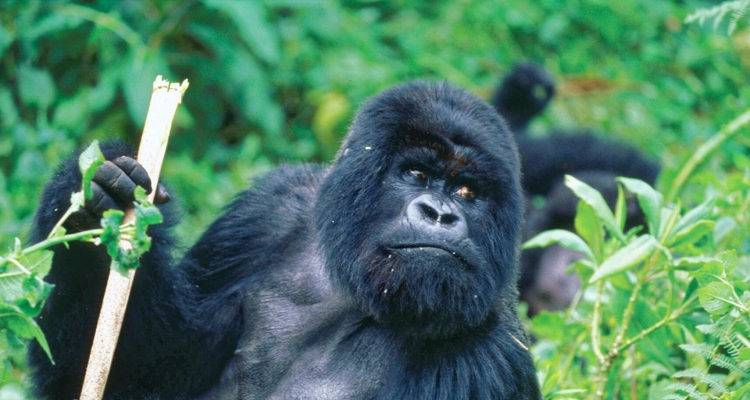
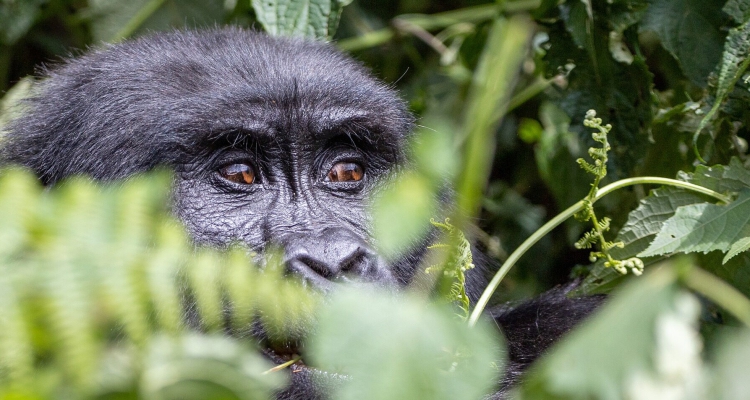
Volcanoes National Park, known as the oldest and most popular park in Africa, is a must-see. Located in the northwest, it borders Uganda, the Democratic Republic of Congo, and the Virunga Mountains, forming the only region in the world where Mountain gorillas thrive. Over the last two decades, the gorilla population in Parc National des Volcans has flourished, alongside other residents like the golden monkeys.
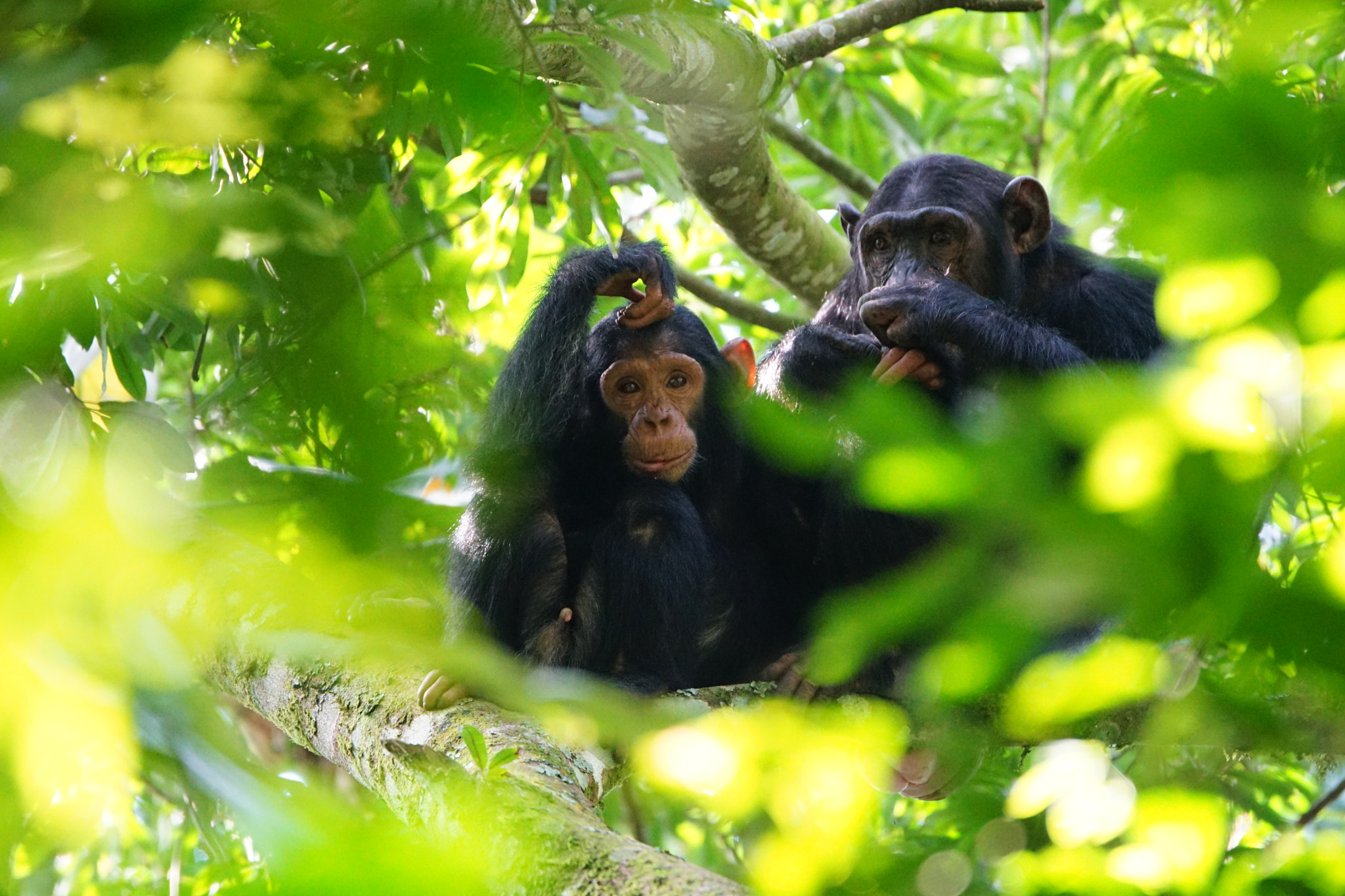
Nyungwe National Park is another famous park located to the southeast near the Burundi border, renowned for chimpanzee safaris and its diverse primate population. Simians like Olive Baboons, Silver Monkeys, Red-tailed Monkeys, and Blue Monkeys all call Nyungwe their home.
Akagera National Park, situated along the eastern border near Lake Victoria and Tanzania, is Rwanda’s only savannah park. It’s home to an impressive variety of wildlife, including Giraffes, the Elephant, Lions, Zebras, and Cheetahs, among others.
Lastly, Gishwati Mukura National Park, the newest addition to Rwanda’s national park family, offers visitors a peaceful and wild retreat.
Though Rwanda’s parks are accessible year-round, the dry months provide the best experiences, particularly for those embarking on a Rwanda gorilla safari. Visitors often choose to explore multiple parks during their stay in this beautiful country known as the “Land of a Thousand Hills.”
A detailed overview of all the national parks in Rwanda.
Akagera National Park
Akagera National Park is located in the northeastern part of Rwanda and is the largest national park in the country, covering 1,085 square kilometers. It’s the only savannah park in Rwanda and shares a border with Tanzania.
Akagera is named after the Akagera River, which feeds into numerous waterscapes within the park, including the well-known Lake Ihema, among other water bodies.
Established in 1934 to protect the diverse flora and fauna in the area, Akagera is home to over 480 bird types and more than 1,000 animal types, including all of Africa’s Big Five: Lion, Cape Buffalo, Elephant, Leopard, and Rhino.
The park’s vast savannah plains & grasslands, woodlands, and wetlands make it an ideal place for game drives and animal sightings. Notably, in 2015, seven Lions were reintroduced into Akagera, marking a successful effort to restore the park’s biodiversity.
The management of Akagera National Park is overseen by the Akagera Management Company, which works closely with the Rwanda Tourism Board to maintain and develop the park.
Attractions in Akagera National Park
- Wild Fauna

Akagera is teeming with wild fauna in its savannah ecosystem, including large herds of Zebras, Lions, Spotted Hyenas, Cape buffaloes, Elephants, Cheetahs, Leopards, Black Rhinos, Serval Cats, Golden Cats, and Impalas. The park’s rich biodiversity offers visitors an unforgettable African wilderness safari experience.
- Birdlife
The park is a birdwatcher’s paradise, with common types such as the Lilac-breasted Roller, African Fish Eagle, Black-headed Gonolek, and White-browed Coucal. The birding opportunities are particularly rich in the different corners of the park’s woodlands and around Lake Ihema.
- Lake Ihema
Lake Ihema is a key feature of Akagera, home to Hippos, Crocodiles, and a variety of waterbirds. A boat cruise here provides the perfect opportunity to spot these water-dwelling animals up close.
Activities in Akagera National Park
- Game Drives
Explore the vast savannah and woodlands on a game drive, where you can encounter a wide range of fauna, including the iconic Big Five.
- Bird Watching
Bird watching is a popular activity, with more than 500 bird species recorded in Akagera NP, making it a birding hotspot, with a chance to spot both savannah and waterbirds. Birdwatching tours can be combined with game drives, particularly along Lake Ihema’s shoreline.
- Boat Cruise on Lake Ihema
The boat cruises on Lake Ihema are an ideal way to observe the wild fauna that gathers at the lake for water. Hippos and Crocodiles are common sights, along with various waterbirds.
- Bush Walks
Experience the wild fauna of Akagera up close with a guided nature walk. Along with a ranger, you’ll get the chance to spot animals like Elephants, Giraffes, and Zebras.
- Fishing
Fishing on Lake Shakani, although less popular than the safari experiences, provides a peaceful retreat for those seeking a more tranquil adventure.
- Local Community Tours
Visitors can also take part in tours to the local communities around Akagera, where they will learn about the local cultures and meet residents or former poachers who have transitioned from past poaching practices to conservation efforts.
Rwanda Volcanoes National Park
Volcanoes National Park, known in French as Parc National des Volcans, is located in the northwest of Rwanda, bordering Uganda’s Mgahinga Gorilla National Park and the Democratic Republic of Congo’s Virunga National Park in Central Africa.
As one of the best national parks of Rwanda, this park, which covers an area of 160 square kilometers, is world-renowned for its gorilla trekking, and it’s one of the best places in the world to see the endangered Mountain gorillas in their natural habitat.
The park is part of the Virunga Massifs, which includes five volcanoes: Mount Karisimbi, Mount Bisoke, Mount Sabyinyo, Mount Muhabura, and Mount Gahinga. Parc National des Volcans was established primarily to protect these mountain gorillas, and it remains a key site for gorilla conservation in East Africa.
- Mountain Gorillas
The highlight of Volcanoes National Park is undoubtedly the Mountain Gorillas. These gentle giants, the largest primates on Earth, weigh up to 180kg and live in tight-knit family groups led by a Silverback. Observing them in their natural environment during the Rwanda gorilla tours is a profound experience.
- Golden Monkeys
The park is also home to the beautiful Golden Monkeys, a type found only in the Virunga Massif of Rwanda and Uganda. These vibrant monkeys are a must-see during your visit to the Land of a Thousand Hills.
- Virunga Mountains
Hiking the Virunga Volcanoes is a popular activity. Many trekkers choose to hike Mount Bisoke, which has a stunning crater lake at its summit. Mount Karisimbi, the highest peak, offers more challenging hiking routes.
- Dian Fossey Tombs
Dian Fossey, the renowned American primatologist, played a crucial role in gorilla conservation. A visit to her tomb offers a chance to reflect on her legacy, along with the graves of gorillas who lost their lives to poaching.
- Birdlife
Parc National des Volcans is also home to around 200 bird species. Among the many species that can be seen along the gorilla trekking routes are the Bar-tailed Trogon, Rwenzori Turaco, and Dusky Crimsonwing.
- Musanze Caves
Explore the Musanze Caves, which are rich in history and offer a unique adventure for those keen on geology and Rwanda’s natural wonders.
- The Twin Lakes
Just outside the park, you can tour the picturesque Twin Lakes, an ideal spot for a peaceful retreat.
- Iby’iwacu Cultural Village
After your trek, a tour to Iby’iwacu Cultural Village offers a rich cultural experience, where you can learn about the traditions and heritage of the local people.
Activities in Volcanoes National Park
- Gorilla Trekking in Volcanoes National Park
Gorilla trekking in Volcanoes National Park is undoubtedly one of East Africa’s most thrilling wildlife experiences. This extraordinary adventure allows you to meet the gentle giants of the forest in their natural habitat—lush, mist-covered forests. Trekking is done with fully habituated gorilla families, making it a safe and immersive experience. Depending on the movement of these gentle giants, you may spend between 2 and 5 hours trekking, offering ample time to appreciate their behavior and surroundings during Rwandan gorilla safaris.
- Golden Monkey Trekking
For a more budget-friendly alternative to gorilla trekking, golden monkey trekking offers another exciting option. The trek, much like the gorilla adventure, takes you into the heart of Parc National des Volcans, where you can enjoy an up-close view of these colorful and playful primates.
- Volcano Hiking
Adventure seekers can enjoy hiking the majestic Virunga volcanoes that rise high above the park. Popular treks include Mount Bisoke, which features a beautiful crater lake at the summit. A one-day hike will reward you with stunning views of the surrounding landscapes.
- Birdwatching
With an impressive variety of bird species, Parc National des Volcans is a birdwatcher’s paradise. The park is home to many montane types and several Albertine Rift endemics, offering an exceptional Rwanda birdwatching experience throughout the year.
- Dian Fossey Tomb Trek
Follow the footsteps of the renowned American primatologist Dian Fossey, whose tireless conservation efforts have been instrumental in the survival of mountain gorillas. The hike to her tomb offers fascinating insights into her life and work, as well as a deeper understanding of the park’s history.
- Cultural Encounters at Iby’iwacu Cultural Village
After trekking through the park, immerse yourself in Rwanda’s rich culture with a tour to Iby’iwacu Cultural Village. Here, you can learn about traditional Rwandan lifestyles, arts, and crafts, making it the perfect way to round off your adventure.
- Explore the Twin Lakes
These waterscapes, located just outside the park, offer a serene escape with their scenic beauty. A visit here is a perfect way to unwind after a day of hiking and gorilla trekking.
Nyungwe Forest National Park Rwanda
Located in the southwest of Rwanda, along the Burundian border near Lake Kivu, Nyungwe Forest National Park is a treasure trove of biodiversity and one of the different national parks in Rwanda. Known for its chimpanzee trekking, Nyungwe, which covers an area of 270 square kilometers, offers so much more than just chimp safaris in Rwanda.
With over 13 types of simians, including Olive Baboons, Blue Monkeys, and Vervet Monkeys, this park is a must-see for wildlife enthusiasts on Rwandan safaris. In addition, birdwatchers will be delighted by the park’s 350+ birds, including about 30 endemics from the Albertine Valley Rift.
Nyungwe NP, established in 2005, is one of the largest and oldest tropical rainforests in Africa, shrouded in mist and offering breathtaking views that are perfect for photography. During your visit, you can enjoy a scenic drive with views of Lake Kivu, Rwanda’s largest lake, known for its methane gas deposits.
Must-See Attractions in Nyungwe National Park
- Primate Species in Nyungwe
Nyungwe’s rich primate population rivals that of Uganda’s Kibale National Park. Tourists can spot chimpanzees, L’Hoest’s Monkeys, Hamlyn’s Monkeys, Ruwenzori Colobus, and many more. Bush walks offer the best chance to encounter these fascinating creatures, with chimpanzee trekking being the highlight for many visitors touring the country.
- Birdwatching
With 350+ birds, including rare Albertine Rift endemics, Nyungwe is a paradise for birdwatchers. Notable types include the Regal Sunbird, Great Blue Turaco, and Yellow-eyed Black Flycatcher, among others.
- Nyungwe Forest Canopy Walkway
For an unforgettable experience, take a walk along Nyungwe’s 70-meter-high, 160-meter-long canopy walkway. This thrilling bridge offers panoramic views of the forest, with opportunities to spot monkeys and birds in the treetops.
- Scenic Vegetation
Nyungwe is home to over 1,068 plant species, including over 200 species of trees like Mahogany trees and Orchids. Its lush vegetation adds to the park’s magical atmosphere, making it a haven for nature lovers.
Activities to Enjoy in Nyungwe Forest
- Chimpanzee Trekking
Chimpanzee trekking is the primary attraction in Nyungwe, allowing tourists the rare opportunity to observe these intelligent and playful primates in their natural environment. While trekking, you may also encounter other primates and diverse fauna.
- Birdwatching
Birding in Nyungwe is a must-do. With numerous trails throughout the park, birdwatchers can spot a wide variety of avifauna, including the Dusky Crimsonwing and the Bar-tailed Trogon.
- Colobus Monkey Tracking
Two groups of Colobus Monkeys are habituated for tracking in Nyungwe, providing another opportunity to observe these stunning creatures in the wild.
- Nature Walks
The park’s lush, biodiverse forest is best explored on foot. Nature walks provide an intimate look at Nyungwe’s flora and fauna, offering a deeper connection to this ancient rainforest.
Gishwati Mukura National Park
Gishwati Mukura is one of Rwanda’s newest national parks, created in 2015, showcasing the country’s commitment to preserving nature in East Africa. Located in the west, it consists of two forests—Gishwati and Mukura—which were once exploited but are now being restored to protect local fauna. Birdwatching, forest walks, and fauna sightings for chimpanzees and golden monkeys are popular activities in this growing park.
Best Time to Visit Rwanda National Parks
Rwanda’s national parks can be visited year-round, but the dry months from June to September and December to February are the most ideal for trekking and safari adventures. During these periods, trails are drier, making hikes more comfortable, and game-viewing in Akagera National Park is at its best.
The rainy season from March to May brings lush landscapes, while October to November sees short rains. Although this is considered the low season, it’s a great time for budget travelers, as many lodges offer discounts.
| National Park | Luxury | Mid-range | Budget / Affordable |
| Volcanoes NP | Bisate Lodge, Singita Kwitonda Lodge | Mountain Gorilla View Lodge, Volcanoes Boutique Hotel | Muhabura Hotel, Kinigi Guesthouse |
| Akagera NP | Magashi Camp | Akagera Game Lodge, Ruzizi Tented Lodge | Local campsites & budget lodges |
| Nyungwe Forest NP | One&Only Nyungwe House | Nyungwe Top View Hill Hotel | Gisakura Guesthouse, EAR Guesthouse |
| Giswati-Mukura NP | Wilderness Gishwati Lodge | – | Community homestays & eco-camps |
These options include ultra-luxury eco-lodges with private butler service, comfortable mid-range hotels, and simple, community-run budget stays—all strategically located for easy access to gorilla trekking, chimpanzee tracking, game drives, and rainforest adventures.
Rwanda Safari Costs Overview
| Activity | Cost per person (USD) |
| Gorilla Trekking Permit (Volcanos NP) | $1,500 |
| Golden Monkey Trekking Permit | $100 |
| Chimpanzee Trekking Permit (Nyungwe) | $100 |
| Volcano Day Hike (e.g., Bisoke) | $75 |
| Akagera National Park entry (24 hrs) | $100 |
| Akagera game drive/boat cruise | $40–$100 |
| Nyungwe Canopy Walk | $60 |
Additional: Guide/porter fees ~$20–50/day.
Prices are set by the RDB and usually fixed for international tourists (USD payment preferred). Book permits early, especially gorilla permits.
How to Reach Rwanda’s National Parks
- Main gateway: Fly into Kigali International Airport (KGL)—well-connected via Brussels, Dubai, Addis Ababa, Nairobi, Doha, and Istanbul.
- Road transfers from Kigali are available, with a private 4×4 recommended at a cost of approximately $100–150 per day.
Volcanos National Park: 2–3 hrs northwest (Musanze)
Akagera National Park: 2.5–3 hrs northeast
Nyungwe Forest NP: 5–6 hrs southwest (or 1-hr domestic flight to Kamembe plus 1-hr drive)
Giswati-Mukura NP: ~4 hrs west
- Best itinerary: 7–10 days combining 2–3 parks.
- Visa: $50 on arrival (or e-visa) for most nationalities.
Rwanda’s compact size and excellent roads make multi-park safaris easy and efficient.
Must-Visit Places to Complement Your Africa Safari in Rwanda
- Lake Kivu: Stunning freshwater giant on the western border—perfect for boating, kayaking, fishing, beach relaxation, and scenic sunsets after Nyungwe or Gishwati treks.
- Gorilla Guardians Village (near Volcanos NP): Former animal poachers-turned-conservationists showcase traditional dances, crafts, beer-making, and village life—a powerful cultural and redemption experience.
- Kigali City: Africa’s cleanest capital—vibrant markets, street art, cafes, and a great base before/after safaris.
- Kigali Genocide Memorial & Nationwide Sites: Moving, educational tributes to the 1994 tragedy, and promoting reconciliation and understanding.
- Caves Of Musanze: Fascinating 2-km volcanic lava tubes just outside Volcanoes NP— easy half-day exploration of underground formations.
- Dian Fossey Tomb & Karisoke Research Center Hike (Volcanoes NP): Emotional visit to the gravesite of Dian Fossey and her gorilla Digit, combined with insights into ongoing gorilla research.
These cultural, historical, and scenic stops perfectly round out Rwanda’s safari adventures.
What to Pack for Your Rwanda Safari?
- A camera for capturing your memories
- Light hiking boots for comfort on the trails
- Raincoat for unexpected showers
- Backpack for essentials
- Safari-appropriate clothing (khaki is recommended)
- Personal toiletries
- Insect repellent to protect from bugs
- Sunscreen and sunglasses for sun protection
- A sunhat for added shade
- A warm sweater for cooler mornings and evenings
- Water bottle to stay hydrated
These can also be used for extended trips to Uganda, Kenya, Tanzania, and the rest of Africa!
Frequently Asked Questions about Rwanda’s National Parks
- How Many National Parks Are There in Rwanda?
Rwanda is home to four national parks or wildlife reserves managed by the Rwanda Development Board: Parc National des Volcans, Nyungwe National Park, Akagera National Park, and Gishwati NP.
- Which Is the Most Visited National Park in Rwanda?
Parc National des Volcans is the most visited, especially popular for gorilla trekking and golden monkey tracking.
- What Is the Largest Park in Rwanda?
Akagera National Park is the largest, covering over 1,122 km² and located in the eastern part of the country. It is the only place in Rwanda where tourists can see the Big Five animals.
- What Challenges Do Rwanda’s National Parks Face?
Challenges include limited funding, habitat loss, and insufficient staff to monitor wildlife. Poaching is no longer a significant issue in most of the parks.
However, to resolve these, the Rwandan government has made restoring wildlife a national priority since the genocide in 1994.
Plus, the return of former poachers to conservation efforts has helped reduce illegal hunting in Rwanda.
And now, conservation efforts have led to the growth of the mountain gorilla population in Rwanda despite past declines.
- What Is the Newest National Park in Rwanda?
Gishwati NP, which was established in 2016 to protect the Gishwati and Mukura forests, is the newest park in Rwanda.
The government of Rwanda has partnered with Wilderness Safaris to restore the Giswati-Mukura forest area and protect chimpanzee populations.
- Which Game Park Is in Rwanda?
Rwanda boasts four game parks: Parc National des Volcans, Akagera, Nyungwe, and Gishwati Mukura.
Conclusion
Rwanda’s national parks offer an unparalleled opportunity to connect with nature and wildlife. Whether you’re trekking with gorillas, tracking chimpanzees, birdwatching, or enjoying a savannah safari, these protected areas promise an unforgettable experience.
Let us help you plan your perfect adventure to Rwanda, or choose from our popular Rwanda gorilla safari packages.