
Travel to Tanzania—Traveling to Tanzania Visit
Planning a trip to Tanzania? I put together this simple, no-stress guide to the main ways people get in—by plane, road, ferry, or train—plus a few entry basics that are good to double-check before you travel.
Tanzania is one of those places that really sticks with you—wide-open landscapes, warm hospitality, and wildlife moments that feel straight out of a documentary.
Whether you’re coming for Kilimanjaro, the Serengeti, the Ngorongoro Crater, or you just want a few calm beach days on Zanzibar, you can shape the trip around your budget and your pace.
You can reach Tanzania by air, road, or sea. The main international airports are Kilimanjaro (JRO), Julius Nyerere (DAR), and Abeid Amani Karume in Zanzibar (ZNZ).
Before you travel, check the latest entry requirements for your nationality—typically a passport, a visa, and (in some cases) proof of vaccination. If you’re visiting Zanzibar, confirm the current insurance rules as well.
Here’s a clear, practical overview to help you plan.
Traveling to Tanzania by Air

For most travelers, flying is the simplest option. You’ll usually arrive through one of the international airports below, then connect by domestic flight or road depending on where you’re headed.
International airports in Tanzania
Depending on your route, you’ll most likely fly into one of these airports:
1) Julius Nyerere International Airport (DAR)
Based in Dar es Salaam (about 13 km / 8 miles from the city center), this is Tanzania’s busiest international gateway and a common arrival point if you’re starting on the coast or connecting onward across the country.
2) Kilimanjaro International Airport (JRO)
Located about 50 km / 31 miles east of Arusha near Moshi, JRO is a great choice for the northern safari circuit (Serengeti, Ngorongoro, Lake Manyara, Tarangire) and for travelers heading toward Mount Kilimanjaro.
3) Abeid Amani Karume International Airport (ZNZ)
This airport serves Zanzibar and sits about 5 km / 3 miles from Stone Town—handy if your trip includes beaches, diving, or a few days exploring the island’s history.
Other airports you may use (mostly domestic)
Arusha Airport (ARK)
A small domestic airport about 8 km / 5 miles from Arusha city center, mainly serving regional flights and quick hops to nearby destinations.
Mwanza Airport (MWZ)
A key airport in northern Tanzania serving Mwanza and the Lake Victoria area, with connections to other major cities in the region.
From these airports, you can connect onward to safari circuits, national parks, and beach destinations across the country.
Airlines Flying to (and Within) Tanzania
A number of international airlines serve Tanzania. Depending on your route, you may see options such as Ethiopian Airlines, Kenya Airways, Qatar Airways, Turkish Airlines, and others.
For travel within the country, domestic carriers like Air Tanzania and Precision Air (plus smaller regional operators) can save time—especially if you’re linking parks, islands, and major cities.
Tip: For popular seasons, booking earlier usually gives you better flight choices (and sometimes better prices).
Direct (and Common) Flight Routes
Flight times and routing vary a lot, but these are common travel patterns:
- From Europe: many routes connect through major hubs (for example Amsterdam, Istanbul, Doha, Addis Ababa, or Nairobi) before arriving in DAR or JRO. Total travel time often falls in the 8–12+ hour range depending on connections.
- From the Middle East: connections through hubs like Doha or Dubai are common, and flight times are often around 5–7 hours to DAR or JRO (route dependent).
- From other African countries: regional flights frequently connect via Nairobi, Addis Ababa, Johannesburg, or Kigali before continuing into Tanzania.
- From North America: there are typically one or two stopovers (often in Europe or the Middle East). Total journey time commonly lands around 18–24 hours depending on where you start and how long your connections are.
- From South America: expect multiple connections and a long travel day; total time varies widely based on routing.
- From Asia: most itineraries connect through Middle Eastern or African hubs, with total travel time commonly in the 10–15+ hour range.
- From Australia/New Zealand: expect at least one major connection (often via the Middle East or South Africa), with a long total journey time.
- From the UK: most routes connect via European or Middle Eastern hubs; total travel time depends on connections.
Note: Airfare changes quickly based on season, how early you book, your departure city, and the number of connections.
Immigration, Entry, and Visa Requirements
When you arrive at an international airport, you’ll usually need the following:
- Passport: valid for at least 6 months, with at least one blank page.
- Visa: required for many nationalities (often available online, via an embassy/consulate, or on arrival—depending on your passport).
- Yellow fever proof: required if you’re arriving from, or transiting through, a country with yellow fever risk (rules vary—double-check before you fly).
- Travel insurance: Zanzibar may have additional insurance requirements for visitors; confirm the current policy before travel.
To avoid surprises, confirm the latest requirements with official sources before you leave, and keep digital and paper copies of key documents (passport bio page, visa confirmation, insurance). Rules can change, so a quick re-check close to departure is worth it.
Traveling to Tanzania by Road (Bus or Car)
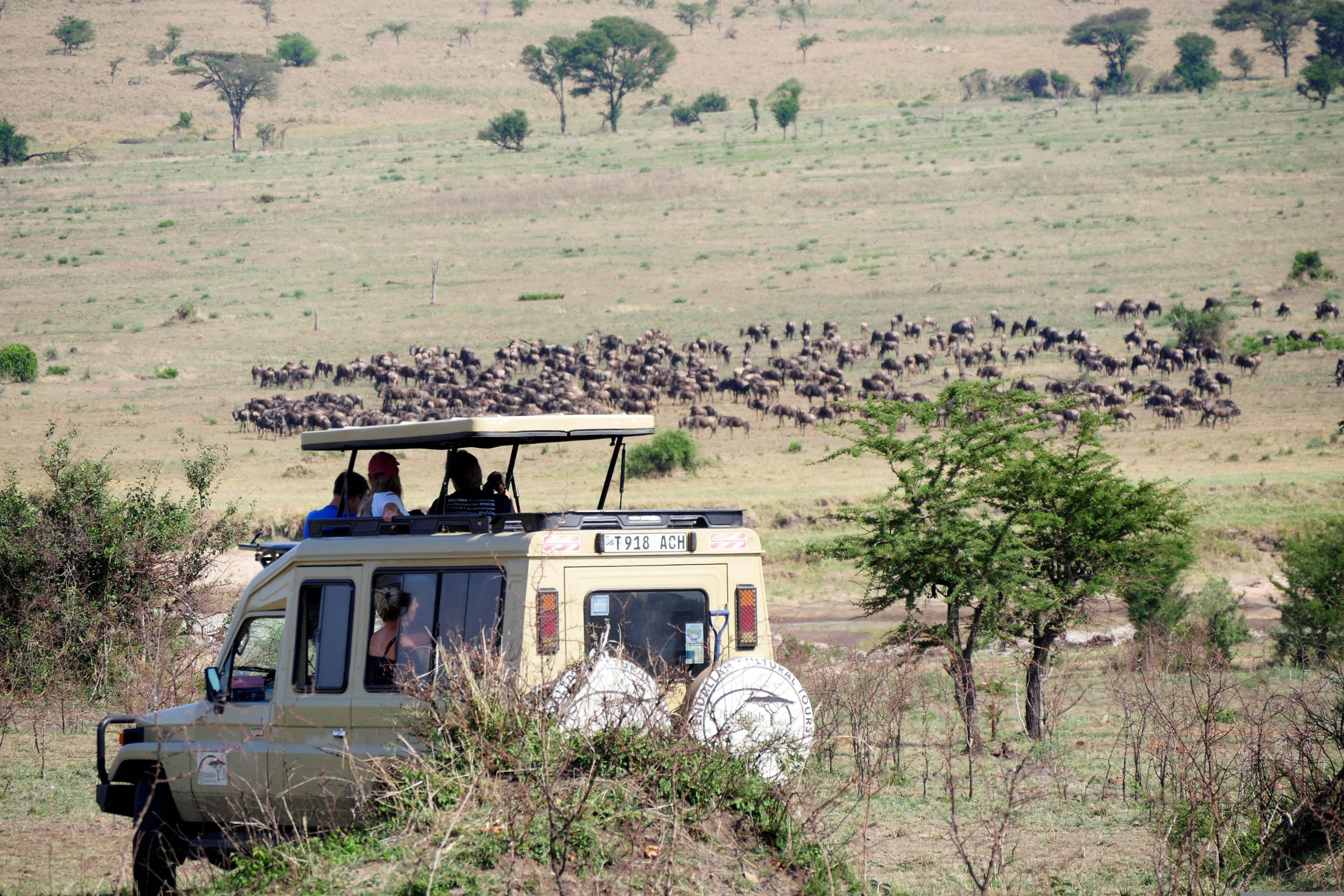
If you’re coming from a neighboring country—Kenya, Uganda, Rwanda, Zambia, Malawi, Mozambique, or Burundi—traveling overland is possible. Just plan for long distances, border formalities, and occasional delays (especially during peak travel times).
Popular border crossings
Here are some commonly used border points (always confirm current opening hours and requirements before you go):
- From Kenya: Namanga, Holili, and Lunga Lunga border crossings
- From Uganda: Mutukula and Kagitumba border crossings
- From Burundi: Kigoma border crossing
- From Rwanda: Rusumo border crossing
- From Zambia: Tunduma and Nakonde border crossings
- From Malawi: Songwe border crossing
- From Mozambique: Ruvuma and Unity border crossings
Transportation options
Once you’ve crossed the border, you can continue by bus, private car, or taxi depending on your comfort level, budget, and where you’re headed.
Road travel tips
If you’re driving yourself, make sure your paperwork is in order (passport, visa if needed, driving licence/permit, and the correct vehicle insurance). Requirements can differ at each border, so check in advance and keep copies handy.
It also helps to choose reputable bus companies, budget extra time for checkpoints or delays, and avoid night driving on unfamiliar roads. If you’re unsure about a route, hiring a local driver/guide can make the day much easier.
Before you book, look up recent traveler feedback and confirm schedules—overland timetables can change.
1) Bus services
Cross-border buses run on some routes from neighboring countries into major Tanzanian cities (often ending in Arusha or Dar es Salaam). Travel times vary widely—from a long day to an overnight journey—so check the operator’s route, stopovers, and luggage rules before you commit.
2) Private cars and taxis
Private transfers and taxis can be convenient, especially if you’re traveling in a group or carrying luggage. The trade-off is cost, and you’ll still want to plan for border procedures and road conditions—particularly on routes that head toward remote parks.
With a bit of planning, overland travel can be a comfortable (and surprisingly scenic) way to arrive.
Traveling to Tanzania by Water (Ferry)
If your itinerary includes Zanzibar (or nearby coastal routes), ferries and boats can be part of the journey. Options and schedules depend heavily on season and weather.
1) Major seaports
Tanzania’s main ports include Dar es Salaam, Tanga, Mtwara, and Zanzibar. Most visitors will only use sea travel for coastal connections (especially between Dar es Salaam and Zanzibar).
Tip: Always confirm the latest schedule and boarding requirements with your operator—coastal services can change.
2) Ferry routes
The most popular ferry route for travelers is between Dar es Salaam and Zanzibar. Some itineraries also include smaller coastal connections, depending on the season.
Operators and boat types vary—some services are fast catamarans, while others are slower passenger boats. Choose well-known providers and avoid overcrowded or unofficial options.
Travel time and ticket price depend on the route, boat type, and season. Check the latest fare and timetable before you buy, especially if you’re traveling around holidays.
Safety reminder: follow crew instructions, keep an eye on weather updates, and don’t board if the vessel feels unsafe.
Water travel tips
Ferry schedules can shift because of weather and sea conditions, and some services sell out in busy periods.
Book ahead when you can, arrive early for boarding, keep your passport/ID accessible, and pack a few basics (water, snacks, and something for motion sickness if you’re prone to it).
Do a little planning and the ferry can be an easy, scenic part of the trip.
Traveling to Tanzania by Train
Train travel isn’t the fastest way to get around, but it can be a memorable option if you have time and you enjoy slower journeys.
Tanzania rail networks (at a glance)
Tanzania has two rail networks:
- Tanzania Railways Limited (TRL): operates services linking Dar es Salaam with destinations such as Kigoma, Mwanza, and other major towns on the central line.
- TAZARA (Tanzania–Zambia Railway): connects Tanzania with Zambia (via Kapiri Mposhi), and is best known for its Dar es Salaam–Zambia route.
Routes and frequency change over time, so it’s best to check current schedules. In general, services connect Dar es Salaam with several inland destinations, and TAZARA links Tanzania with Zambia.
Fares depend on route and class, and journeys can take a full day or more—train travel here is more about the experience than speed.
Classes and onboard comfort vary by service. Bring water, snacks, and something to keep you comfortable on a long ride, and keep valuables close.
If you plan to travel by train, book when you can, confirm departure times shortly before you go, and be flexible—delays do happen.
If you’ve got extra time in your itinerary, the train can be a fun way to see more of the country.
Getting Around Tanzania (Northern Circuit, Southern Circuit, and Zanzibar)
Once you’re in Tanzania, the best way to move around depends on your route. Some places are easy by road, while others are much quicker by small plane—especially if you’re mixing parks and islands.
Northern safari circuit
Tanzania’s northern circuit is the classic safari route: Serengeti National Park, the Ngorongoro Crater, Lake Manyara, and Tarangire.
Most trips start in Arusha. From there you can drive between parks (often via Mto wa Mbu), or fly into the Serengeti if you’re short on time.
If you’re passing by the Ngorongoro area, Olduvai Gorge is a worthwhile stop for its history and scenery.
Accommodation ranges from budget camps to high-end lodges, and costs vary widely by season and location. For the northern circuit, many travelers fly into JRO (Kilimanjaro) or connect through DAR (Dar es Salaam) and continue to Arusha.
Beyond the main parks, there are conservation and concession areas that offer a quieter feel and activities like walking safaris, cultural visits, and (in some regions) hiking.
Small planes can also link some safari areas with island and coastal destinations, depending on the season and available routes.
Planning tip: a local tour operator can help you match park permits, drive times, and flight connections into a realistic day-by-day plan.
Southern circuit
Southern Tanzania is wilder and often less crowded. Highlights include Nyerere National Park (formerly part of Selous) and Ruaha National Park.
Most travelers access the southern parks via Dar es Salaam, then continue by domestic flight or a longer road transfer. In the rainy season, some roads can be rough or temporarily difficult.
What people love about the south is the sense of space—great wildlife viewing without the same traffic you may see in the northern circuit. Activities can include game drives, walking safaris, and boat trips (where available).
Domestic flights often run between Dar es Salaam and airstrips near the major southern parks, but schedules can be seasonal.
Camps and lodges in the south range from mid-range to luxury, and prices depend on season, location, and what’s included.
If you’re comparing options, ask for a few sample itineraries so you can see drive times, flight links, and what’s realistically doable.
Zanzibar
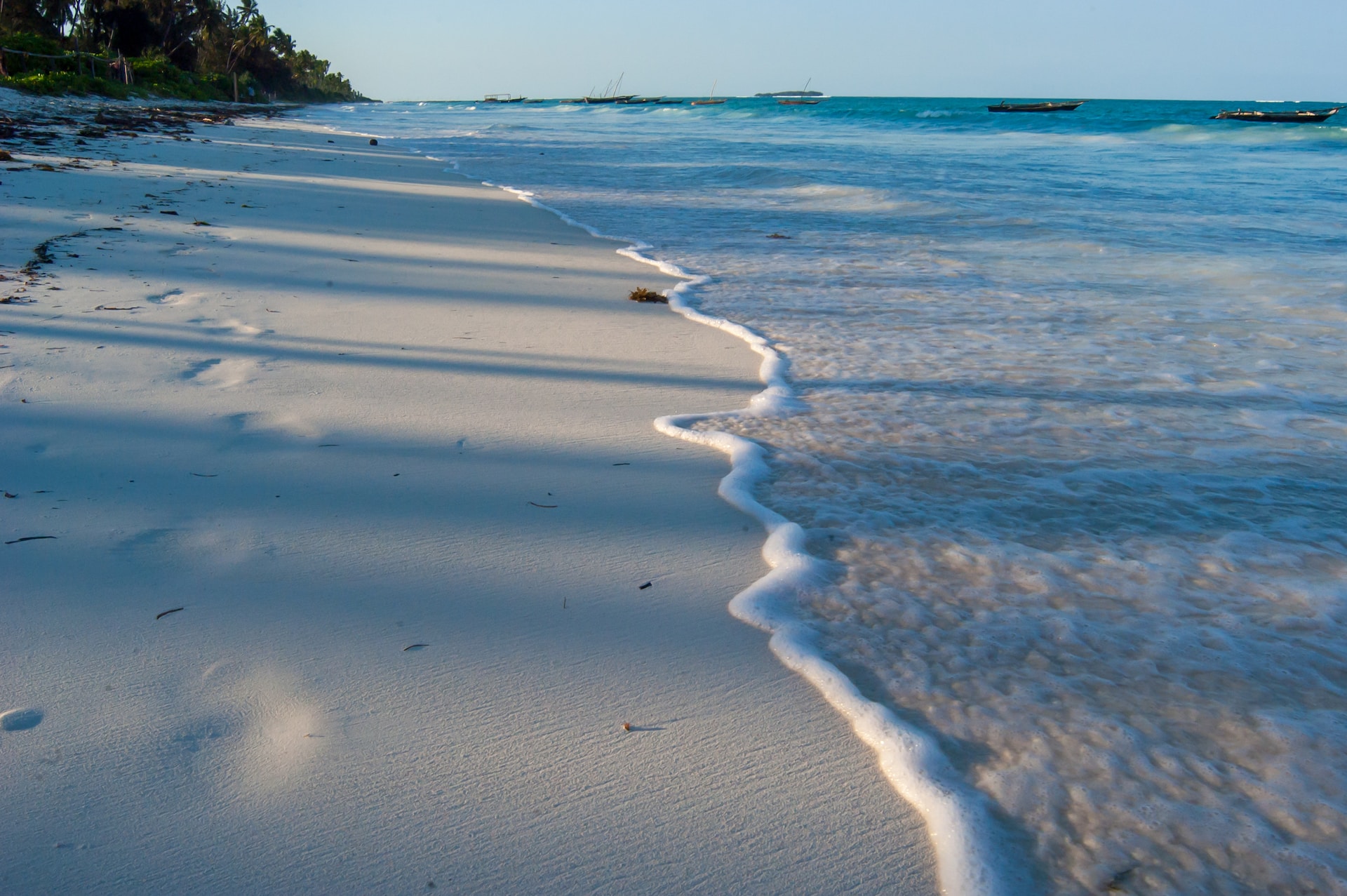
Zanzibar is a lively island off Tanzania’s coast, known for Stone Town’s history, beaches, and spice tours. You can reach it by a short domestic flight from the mainland or by ferry from Dar es Salaam.
Many travelers prefer the drier months for snorkeling and diving, but Zanzibar can be enjoyable year-round—just expect more humidity and occasional rain in the wetter seasons.
Getting around is straightforward with taxis, local minibuses (dala-dalas), and private transfers. If you rent a scooter, take it slow—roads can be busy and uneven in places.
A few small tips go a long way: negotiate fares up front, pack reef-safe sunscreen, and wear water shoes if you’ll be walking on coral or rocky shorelines.
If you’re short on time, a simple plan (Stone Town + beach days + one excursion) usually feels more relaxed than trying to squeeze in everything.
Dar es Salaam
Dar es Salaam has plenty of ways to get around, including taxis, ride-hailing services, and local minibuses (dala-dalas).
There’s also the DART rapid bus system on some routes, which can be a useful alternative in heavy traffic.
Ferries can take you to nearby coastal areas, and three-wheeled taxis (bajajis) are common for shorter hops.
For longer distances, buses, trains, and domestic flights connect many major towns. If you’re heading to a national park, most people travel with a tour company or a trusted driver.
Quick tip: agree on the price before you get in, keep valuables out of sight, and use well-lit areas if you’re moving around at night.
Bottom line: pick the option that matches your timeline—flights for speed, road trips for flexibility, ferries for Zanzibar, and trains if you want a slower adventure.
Additional Tips for Traveling to Tanzania
A few small details can make the trip smoother—especially around entry rules, health prep, local customs, and getting around once you arrive.
1) Entry, exit, and visa basics
Most visitors need a tourist visa. Depending on your nationality, you may be able to apply online in advance, use an embassy/consulate, or get a visa on arrival. Make sure your passport is valid for at least 6 months and check whether yellow fever documentation is required based on where you’re traveling from. Also note that a tourist visa usually doesn’t cover volunteering or paid work.
If you can, apply early and keep copies of your confirmations (digital and printed). Travel insurance can also save a lot of stress if plans change or you need medical help while you’re away.
2) Travel and health insurance
Good travel insurance is strongly recommended, especially if your plans include safaris, remote areas, or mountain trekking. Look for coverage that includes medical treatment and emergency evacuation.
Buy your policy before you travel, and keep the emergency phone numbers somewhere easy to grab quickly—like your phone’s notes app or a printed card in your wallet (not just buried in email).
3) Health and medical prep
- If you can, chat with a doctor or travel clinic a few weeks ahead about routine vaccines and any travel-specific advice.
- Bring a small personal kit: your prescription meds, basic pain relief, rehydration salts, and something for stomach upsets.
- Plan for mosquitoes—use repellent and wear long sleeves in the evenings, especially at lower altitudes.
- If you’re not sure about the water, stick to bottled or treated water, and choose food that’s freshly cooked.
- Heading to higher elevations (like Kilimanjaro)? Take altitude seriously: go slowly, drink plenty of water, and listen to your body.
- Know where the nearest clinic or hospital is along your route, and keep your insurance details handy just in case.
A little prep now saves a lot of hassle later—and helps you focus on the fun once you arrive.
4) Safety and security
Tanzania is welcoming, but it’s still smart to stay alert—especially in busy places like markets, transport hubs, and nightlife areas. Keep valuables close, don’t show large amounts of cash, and use registered taxis or trusted ride options when you can.
If anything does happen, tell local authorities and loop in your hotel or tour operator—they can usually help you sort out the next steps quickly.
5) Local laws and etiquette
Local laws and cultural norms may be a bit different from home. Knowing a few basics ahead of time helps you avoid awkward moments.
In towns—and on Zanzibar, especially away from the beach—modest clothing is a good idea. Ask before photographing people, and avoid taking photos of government buildings or military sites. If you’re unsure, your guide or hotel staff can advise.
Also keep local customs and religious observances in mind (including Ramadan). When in doubt, follow the lead of your host, guide, or accommodation.
6) Transportation and road conditions
Road conditions can vary a lot. Highways between major cities are often fine, but rural roads can be rough, dusty, and slow—especially after heavy rain. Build extra time into your schedule, and expect traffic in bigger cities.
Stick with reputable transport providers, wear a seatbelt when there is one, and avoid night driving if you don’t know the route. For long distances, it’s worth comparing buses, flights, and (where practical) trains based on time, comfort, and budget.
Tip: Save your driver’s details, and consider sharing your trip with a friend if you’re using ride services at night.
7) Zanzibar customs and code of conduct
Zanzibar is more conservative in many areas. Away from the beach, modest clothing is appreciated, and public displays of affection can attract unwanted attention.
If you want to photograph people, it’s courteous to ask first. And if you visit mosques or someone’s home, follow local guidance—often that means removing shoes and dressing respectfully.
8) Best time to visit
Weather varies by region and altitude, but you can visit Tanzania at any time of year. Most people plan around rainfall and what they’re hoping to do (safari, beach, trekking, etc.).
As a rough guide, the long rains are usually around March–May, and the short rains around November–December (the exact timing can shift).
June–October is often peak safari season because it’s drier and wildlife viewing can be excellent. That said, the greener months can be beautiful too—often with fewer crowds and great birdwatching.
9) Currency and payments
The Tanzanian shilling (TZS) is the main currency. US dollars are sometimes accepted for bigger tourist expenses, but you’ll still want shillings for everyday things.
ATMs are common in major towns, and many hotels and larger businesses take cards. But in smaller places—and especially in rural areas—cash is still the easiest option, so carry a few small notes.
10) Time zone
Tanzania runs on East Africa Time (EAT): UTC+3 all year (no daylight saving time).
11) National parks and reserves: safari common sense
Safaris are generally very safe when you follow park rules and your guide’s instructions. A few simple habits help keep things smooth:
- Keep a respectful distance from animals, and never feed wildlife.
- Stay in the vehicle unless your guide tells you it’s safe to get out.
- Listen to your guide and park rangers—rules can vary from one park (or area) to another.
- Use insect repellent, and consider long sleeves in the evenings.
- Keep bags zipped and valuables secure—especially in crowded places.
Follow your guide’s lead, take it slow, and you’ll have a fantastic safari.
12) Simple Tanzania packing list
Here’s a practical starter list—tweak it for the season, your route, and whether you’re doing safari, beach time, or trekking:
- Documents: passport, visa confirmation (if needed), insurance details, plus a couple of printed copies.
- Clothes: light layers, something warm for early mornings/evenings, and modest outfits for towns and Zanzibar.
- Footwear: comfortable closed shoes for safari days, plus sandals for the coast.
- Sun + bugs: sunscreen, a hat, sunglasses, and insect repellent.
- Tech: phone charger, power bank, and a camera or binoculars if you enjoy wildlife spotting.
- Health basics: your prescriptions, plus a small personal first-aid kit.
If you can, pack light—you’ll appreciate it when you’re moving between airports, parks, and hotels.
Traveling to Tanzania: FAQs
1) Is Tanzania safe to visit?
Many travelers visit Tanzania without any problems. As with anywhere, use basic common sense: keep valuables secure, choose reputable transport, and follow local advice—especially in crowded areas and after dark.
2) Can U.S. citizens travel to Tanzania?
Yes. U.S. citizens usually need a valid passport and a tourist visa. Many people apply online in advance, but rules can change—so it’s worth checking the latest official guidance before you book and before you fly.
3) Are there direct flights from the U.S. to Tanzania?
Direct flights are rare. Most trips connect through Europe, the Middle East, or a major African hub before continuing to DAR or JRO.
4) Which airport should I fly into?
It depends on your itinerary. Dar es Salaam (DAR) is a common entry point; Kilimanjaro (JRO) is usually best for the northern safari circuit and Kilimanjaro climbs; and Zanzibar (ZNZ) makes sense if you’re heading straight to the islands.
5) How long is the flight from the U.S. to Tanzania?
It varies by departure city and connection times, but many itineraries take about 18–24 hours door-to-door.
If you tell me your starting city and your must-see stops (Serengeti, Zanzibar, Kilimanjaro, etc.), it’s easy to narrow down the best arrival airport—and the simplest way to connect onward.

