You’ve seen the documentaries. You want that raw, unscripted moment where a chimpanzee looks you in the eye from the forest floor of Kibale. But as you browse through options for your next uganda safari tour, you hit a crossroads: The Standard Trek or the Chimpanzee Habituation Experience (CHEX).
On paper, CHEX looks like the obvious winner. Four hours with the primates instead of one? It seems like a mathematical “no-brainer.” But here’s the rub: more time does not always mean better quality. In fact, for many travelers on uganda tours and safaris, the four-hour habituation process ends up being a high-speed chase through the undergrowth that leaves them with blurry photos and bruised shins.
If you want to spend your money wisely and return with a portfolio of stunning images, you need to understand the logistical and behavioral reality of these two very different experiences.
The Core Conflict: Time vs. Stability
In the context of uganda safaris & tours, “Habituation” is the process of gently desensitizing wild chimpanzees to the presence of humans. This takes years. When you book a CHEX permit, you are joining researchers and rangers as they follow a group that is still in this transitional phase.
Standard Trekking: The “Model” Chimps
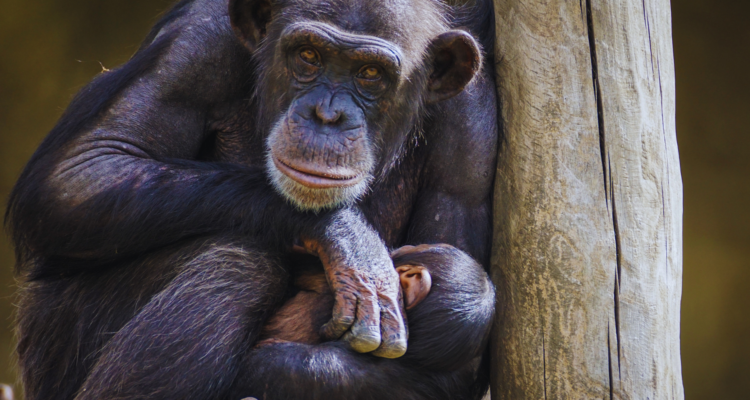
The groups assigned for standard trekking are fully habituated. They have seen humans every day for decades. They are the “celebrities” of the forest. They aren’t bothered by your shutter clicks. They sit on the ground, groom each other, and play in the light gaps of the canopy.
Habituation (CHEX): The “Teenagers”
The groups in the habituation phase are unpredictable. They are often “on the move.” One minute they are feeding at the top of a 30-meter Ficus tree; the next, they have dropped to the ground and are sprinting through thickets at 20 miles per hour. You aren’t just a guest; you are a follower.
Information Gain: The Photography Paradox
Here is the contrarian truth that most tour operators won’t tell you: Standard trekking almost always yields better photography than habituation.
While the 4-hour window of the CHEX sounds like a photographer’s dream, the reality is often “Chaotic Forest Photography.” Because the chimps are less settled, you spend 80% of your time looking at their “backwards” as they move away from you. You are constantly fighting low light and thick vegetation.
In contrast, during a 1-hour standard trek on a uganda safari tour, the rangers know exactly where the relaxed groups are. Because these chimps are sedentary, you can take the time to swap lenses, adjust your depth of field, and wait for that perfect beam of light to hit the subject’s face. One hour of stillness is worth five hours of frantic movement.
Logistics and Permit Breakdown
Securing space on uganda tours and safaris requires navigating the Uganda Wildlife Authority (UWA) booking system. Permits are limited and seasonal demand is fierce.
| Feature | Standard Chimp Trek | Chimpanzee Habituation (CHEX) |
| Permit Cost (USD) | ~$200 – $250 | ~$250 – $300 |
| Time with Chimps | 1 Hour | 4 Hours |
| Max Group Size | 6 – 8 People | 4 People |
| Physical Difficulty | Moderate (2-3 hours total) | High (6-8 hours total) |
| Success Rate | ~95% | ~70-80% (Highly mobile) |
| Ideal For | Photographers, Families, Casual Hikers | Researchers, Fitness Enthusiasts |
Tactical Preparation: The Kibale Factor
Kibale National Park is the “Primate Capital of the World,” but its terrain is deceptively taxing.
- The Ground Reality: Unlike the steep inclines of Bwindi, Kibale is relatively flat but heavily swampy. If you choose the habituation experience, expect to spend hours wading through “knee-deep” leaf litter and mud.
- The Noise Factor: Chimpanzees are loud. A standard trek usually finds them when they are vocalizing on the ground. During a CHEX session, you may spend two hours simply following the sound of pant-hoots without seeing a single hair.
- Clothing Logistics: High-quality gaiters are non-negotiable here. The “red ants” in Kibale are legendary; if you stand still for too long during a habituation session, they will find you. Tuck your trousers into your socks, style takes a backseat to survival in the jungle.
Actionable Takeaway: Which Should You Choose?
- Choose Standard Trekking if: You want guaranteed sightings, high-quality “National Geographic” style photos, and a moderate physical challenge. It is the most efficient way to see chimps during a broader uganda safari tour.
- Choose Habituation (CHEX) if: You are a “process” person. If you care more about the science of primate behavior than the final photo, and if you have the stamina to keep up with a wild troop for an entire morning, CHEX offers a depth of immersion that one hour simply cannot match.
Frequently Asked Questions
What is the best time for chimp trekking on uganda tours and safaris?
The dry seasons (June–August and December–February) are best. During the rains, the forest floor becomes incredibly slippery, and the chimps tend to stay higher in the canopy to avoid the damp ground, making them harder to see.
Is chimp trekking as hard as gorilla trekking?
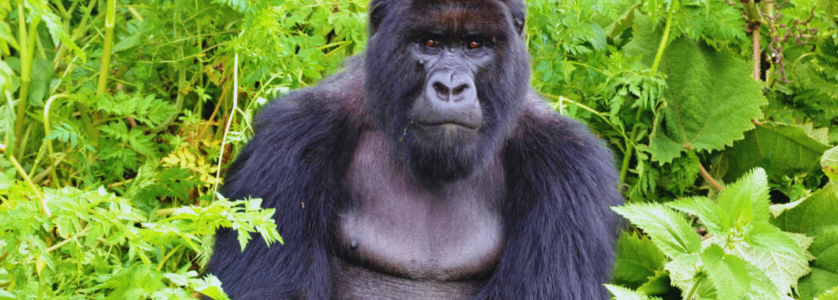
Generally, no. The elevation in Kibale is lower than in Bwindi. However, the pace of a chimp trek can be much faster. Gorillas tend to lounge; chimps tend to commute.
Can I do both on the same trip?
Absolutely. Many of our uganda safaris & tours combine a morning trek in Kibale with a Big Five safari in Queen Elizabeth National Park. We recommend doing the standard trek first to ensure you get your “hero shot” before attempting the more grueling habituation.
What is the age limit for chimp trekking in Uganda?
The minimum age is 12 years old. This is strictly enforced by UWA to ensure the safety of both the children and the primates, as younger children are more susceptible to zoonotic diseases.