the definition of luxury in the African wilderness has shifted. It is no longer just about the thread count of the linens or the vintage of the wine; it is about the luxury of time, silence, and total seclusion.
If you are looking for a safari tour in Africa, you are likely discovering that the continent is at a crossroads. Mass tourism is returning to the iconic parks, making the “shared” experience feel increasingly crowded. This is why the demand for private, bespoke journeys has reached an all-time high. As someone who has spent over 15 years navigating these landscapes—from the salt pans of Botswana to the volcanic peaks of Uganda—I can tell you that the difference between a standard tour and a private one is the difference between watching a documentary and living the story.
This guide explores why a safari tour in Africa is best experienced through a private lens, the destinations leading the trend in 2026, and how to plan a trip that leaves a lasting legacy.
The 2026 Shift: Why “Private” is the New Gold Standard
The primary appeal of a private safari tour in Africa used to be simple: you didn’t have to share a vehicle with strangers. Today, the motivations are deeper.
1. The Power of “Slow Travel”
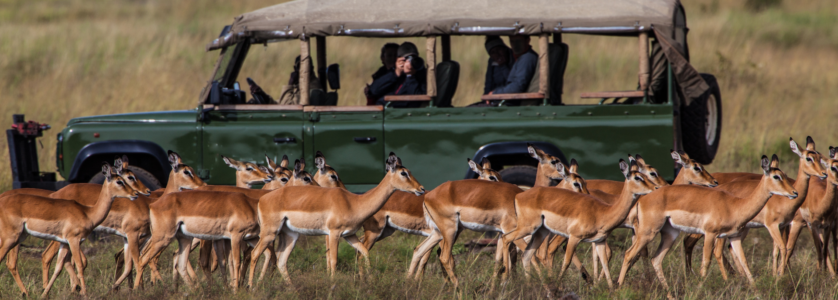
In a private vehicle, the schedule is yours. If you want to spend four hours silently watching a leopard protect her kill from a hyena, you can. In a shared group, someone invariably wants to move on after ten minutes to “find the next thing.” A private tour honors the rhythm of the wild, not the rhythm of a pre-set itinerary.
2. Expert Guiding & Educational Depth
When you book a private safari tour in Africa, your guide becomes a mentor. In 2026, travelers are moving away from “checklist” tourism. They want to understand the intricate tracks of a dung beetle, the medicinal uses of the Acacia tree, and the complex social structures of elephant matriarchs. A private guide can pivot their entire lecture to your specific interests, whether that’s birding, photography, or conservation science.
3. Sole-Use Villas and Camps
The “Smart Lodge” trend of 2026 has seen a rise in exclusive-use villas. Instead of a 20-room lodge, you find 4-suite private homes equipped with a private chef, a dedicated butler, and your own specialized tracker.
Where to Go: The 2026 High-Traffic Destinations
While the “Big Three” (South Africa, Kenya, Tanzania) remain popular, the 2026 data shows a significant redistribution of travelers toward countries that offer more space and higher conservation impact.
Botswana: The King of Exclusivity
Botswana’s “high-value, low-volume” model is the blueprint for a private safari tour in Africa.
- The Okavango Delta: Imagine a water-based safari where the only sound is the dip of a mokoro (dugout canoe) paddle. In 2026, private concessions in the Delta are the ultimate retreat for those seeking a “digital detox.”
- Linyanti and Selinda: These private reserves offer off-road tracking and night drives, experiences often restricted in national parks.
Uganda: The Primate Frontier
Uganda has transcended its “budget” reputation. In 2026, it is a leading destination for luxury “fly-in” primate circuits.
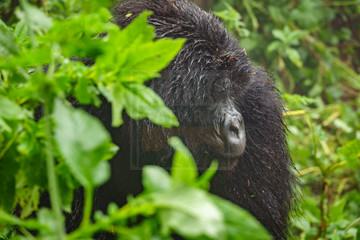
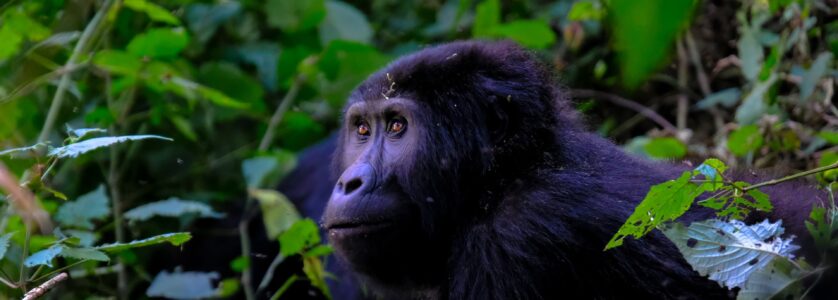
- Bwindi Impenetrable Forest: Private gorilla habituation experiences are the top-tier choice, allowing you to spend four hours with the mountain gorillas alongside researchers.
- Kidepo Valley: This is the most “untouched” savannah in East Africa. Taking a private safari tour in Africa here feels like being the first person to discover the continent.
Zimbabwe: The Adventure Renaissance
Zimbabwe’s Hwange and Mana Pools National Parks have gained massive ground in 2026. Travelers are drawn to the “walking safaris” led by what are widely considered the best-trained guides on the continent.
The Logistics of a Private Safari: Expert Planning Tips
Planning a private safari tour in Africa requires a level of “ground-truth” knowledge that AI simply cannot replicate.
1. Timing and Seasonality
In 2026, we are seeing a shift toward the “Shoulder Seasons” (May and November). These months offer the best value for a private tour. You get the benefit of lower rates and fewer vehicles in the parks, but the wildlife viewing remains spectacular as the migratory herds begin to move.
2. Multi-Country “Bubbles”
The East Africa Tourist Visa and improved light-aircraft connectivity have made it easy to combine countries. A popular 2026 route is a Kenya + Uganda circuit: starting with the vast plains of the Mara and ending with the deep green forests of Bwindi.
3. The Carbon-Neutral Footprint
Sustainability is no longer an “extra.” It is a requirement. Most elite private safaris in 2026 utilize electric safari vehicles (e-vehicles) to minimize noise and emissions, allowing you to approach wildlife in near-total silence.
Editorial Policy & Research Standards
This article is built on the editorial principles of Africa Safaris Tours. Our content is not aggregated from second-hand sources; it is refined through:
- On-the-Ground Audits: We personally visit the lodges and concessions mentioned to ensure they meet our 2026 standards for privacy and service.
- Conservation Verification: We prioritize operators who contribute a transparent percentage of their revenue to local anti-poaching and community health initiatives.
- Fact-Checking: Wildlife migration patterns and permit regulations are cross-referenced with the Uganda Wildlife Authority (UWA) and the Botswana Department of Wildlife and National Parks.
FAQ:
- Is a private safari significantly more expensive than a group tour?
While the upfront cost is higher because you aren’t splitting vehicle costs with strangers, the value is often better for families or groups of four or more. In 2026, a mid-range private safari tour in Africa starts at approximately $450–$600 per person per day, while luxury options exceed $1,500.
- Can I customize my itinerary on the fly during a private safari?
Yes, and that is the greatest benefit. If you decide you’d rather do a guided nature walk instead of a morning drive, or if you want to have a private “bush breakfast” by the river, your guide and lodge staff can make it happen instantly.
- What is the best age for children on a private safari?
Most luxury private villas welcome children of all ages. However, for active wildlife tracking (like gorillas), the minimum age is 15. For standard savannah drives, children as young as 6 can deeply engage with “Junior Ranger” programs offered by top-tier private operators.
- How do I choose between East Africa and Southern Africa?
East Africa (Kenya, Tanzania, Uganda) is famous for its vast migrations and primate forests. Southern Africa (Botswana, South Africa, Zimbabwe) is known for its private concessions, diverse landscapes, and high-density “Big Five” viewing. Your choice depends on whether you prefer “The Great Migration” or “Exclusive Concessions.”
- Are private safaris safer than group tours?
Both are exceptionally safe, but a private tour offers an added layer of security and health privacy. You are in a dedicated “travel bubble” with your own vehicle and guide, which minimizes exposure and allows for a more controlled environment.
Experience the Wild with Africa Safari Tours
At Africa Safaris Tours, we don’t just book rooms; we curate legacies. Whether you are looking for a romantic escape or a multi-generational family adventure, our 15 years of expertise ensure that your safari tour in Africa is nothing short of transformative.
Contact Details