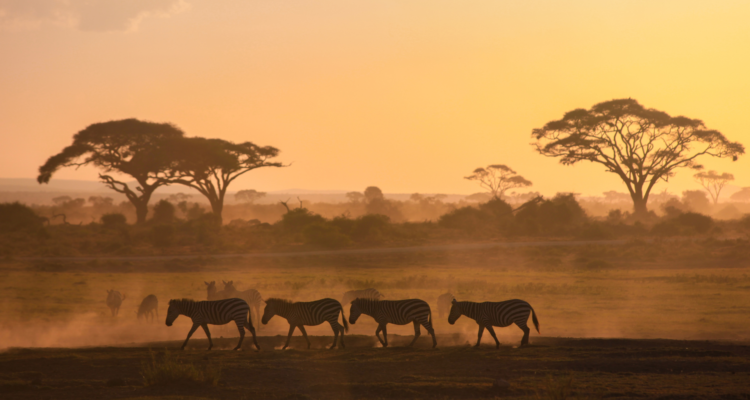
For over a decade, I’ve had the privilege of waking up to the distant roar of a lion and the scent of damp savannah earth. If there is one thing 15 years in the African bush has taught me, it’s that Africa Tours and Safaris are not just vacations—they are homecomings.
In 2026, the landscape of travel across the continent is shifting. We are moving away from the “checklist” mentality and toward what we call Slow Safari. It is no longer about how many animals you can spot in an hour, but how deeply you can connect with the rhythm of the wilderness. This guide is designed to help you navigate the vast, breathtaking possibilities of the “Pearl of Africa” and beyond, ensuring your journey is as intentional as it is adventurous.
The 2026 Shift: Why “Slow Safari” is Trending
The most frequent question I get today isn’t “Where are the lions?” but “Where can I find silence?”
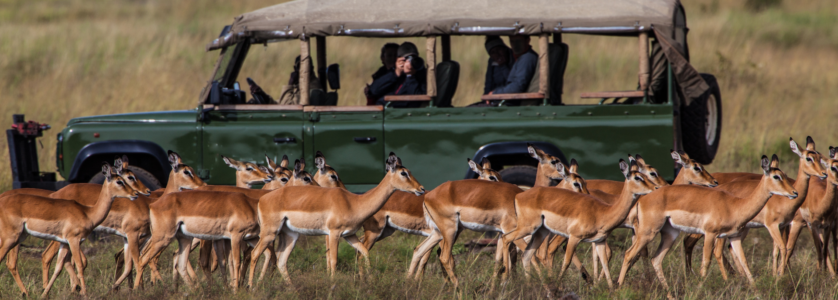
The modern traveler is seeking Slow Africa Tours and Safaris. This means staying in one camp for four nights instead of two, allowing you to settle into the environment. In 2026, we are seeing a surge in:
- Walking Safaris: Stepping out of the vehicle to track elephants on foot in Zambia or Zimbabwe.
- Regenerative Travel: Choosing lodges that don’t just “do no harm” but actively restore the land and support local primary schools.
- Private Conservancies: Avoiding the crowds of national parks for the exclusivity of private lands where off-roading and night drives are permitted.
Top Destinations for Africa Tours and Safaris in 2026
1. Uganda: The Primate Capital
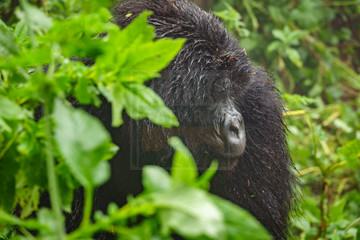
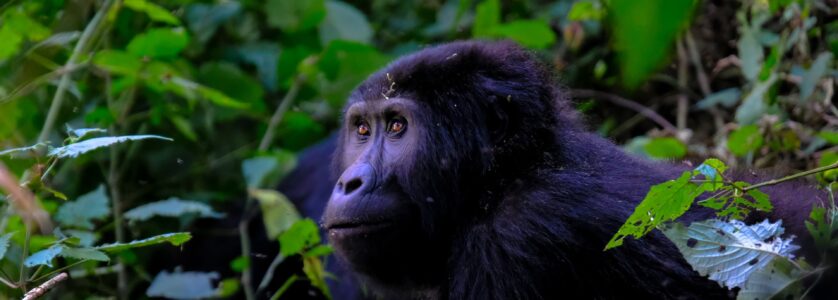
Uganda remains our top recommendation for those who want a “multimedia” wildlife experience. It is one of the few places on earth where you can trek through high-altitude rainforests for Mountain Gorillas in the morning and cruise the Nile to see Murchison Falls by sunset.
- Insider Tip: Don’t skip Kibale Forest. While everyone talks about gorillas, the chimpanzee habituation experience (CHEX) allows you to spend a full day with our closest relatives.
2. Tanzania: The Great Migration Reimagined
The Serengeti is iconic, but for 2026, the trend is the Calving Season (January to March) in the Southern Serengeti. Instead of the chaotic river crossings, you witness hundreds of thousands of wildebeest calves being born on the short-grass plains, attracting some of the highest predator concentrations on the planet.
3. Botswana: The Watery Wilderness
If your idea of Africa Tours and Safaris involves a sunset over a mirror-still lagoon, the Okavango Delta is your sanctuary. 2026 has seen an increase in “Star Beds”—private decks where you sleep under the Milky Way, protected only by a mosquito net and the sounds of the African night.
Planning Your Itinerary: The Expert’s Blueprint
Most people try to do too much. Africa is a continent, not a country. For a successful Africa Tours and Safaris experience, follow this 10-14 day rule:
| Trip Duration | Recommended Circuit | Highlights |
| 10 Days | The Uganda Primate Loop | Gorillas, Chimps, and Murchison Falls |
| 12 Days | The Kenya & Tanzania Classic | Masai Mara, Serengeti, and Ngorongoro |
| 14 Days | The Southern Cross | Victoria Falls, Chobe, and Okavango Delta |
When to Go
The “Dry Season” (June to October) is the gold standard for wildlife viewing as animals congregate around water holes. However, the “Green Season” (November to May) is a photographer’s dream, offering lush landscapes, migratory birds, and lower costs.
Editorial & Research Policy
At Africa Safaris Tours, our content is built on a foundation of “Ground-Truth” research. We don’t just curate; we explore.
- Direct Field Audits: Our experts personally visit every lodge and route we recommend at least once every 18 months.
- Community-First Sourcing: We prioritize information from local guides and conservationists who live in these ecosystems year-round.
- Conservation Integrity: We only endorse Africa Tours and Safaris that comply with international wildlife protection standards and ethical community engagement.
FAQ:
- Is it safe to travel on Africa Tours and Safaris right now?
Yes. Major safari hubs like Uganda, Kenya, Tanzania, and Botswana have highly developed tourism infrastructures. Safety is a top priority for governments and operators alike, with well-regulated parks and experienced rangers ensuring a secure environment.
- How much does an African safari typically cost in 2026?
Pricing varies by comfort level. A mid-range Africa Tours and Safaris package typically ranges from $450 to $700 per person per day. Luxury fly-in safaris can range from $1,200 to $2,500 per day, covering all internal flights, high-end lodges, and private guiding.
- What is the best age for children on safari?
While many lodges accept children of all ages, we recommend a minimum age of 8 to 10 years for savannah drives and 15 years for primate trekking. This ensures they can handle the long drives and meet the physical requirements for forest hikes.
- Do I need a visa for multiple countries?
For East Africa, the East Africa Tourist Visa is a game-changer, allowing you to visit Uganda, Kenya, and Rwanda on a single $100 permit. Southern Africa often requires individual visas, though many can now be obtained as E-visas.
- What should I pack for an Africa safari?
Think “layers and neutrals.” You’ll need tan, olive, or khaki clothing (avoid blue/black to deter tsetse flies). Essential items include a high-quality pair of binoculars, a wide-brimmed hat, and a versatile rain jacket.
Contact Africa Safaris Tours
Ready to start your adventure? Our experts are standing by to help you craft a bespoke itinerary that fits your rhythm and your dreams.
Contact Details