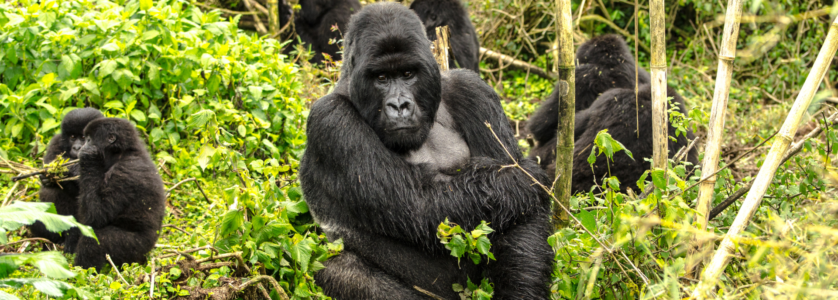
You’ve finally cleared your calendar for a gorilla trekking rwanda safari, but there is a massive roadblock standing in your way: the availability calendar is a sea of red. You refresh the portal, hoping for a cancellation, but the dates for June, July, and August remain stubbornly booked. This is the reality for thousands of travelers who try to DIY their primate logistics.
The frustration is real. You are ready to drop $1,500 on a permit, yet the system tells you there is no room. This happens because the public-facing availability is only half the story. Behind the scenes, a high-stakes game of “permit chess” is played between government authorities and elite local operators.
If you want to secure rwanda gorilla trekking tours during the peak season, you need to understand the hidden mechanics of how permits move from the state to the trekker. Here is how the pros actually navigate the gorilla safaris Rwanda and Uganda ecosystems.
The Hidden Hierarchy: Why “Sold Out” Doesn’t Always Mean No
In the world of gorilla trekking rwanda safari planning, there is a distinct gap between what the public sees and what a Destination Management Company (DMC) can access. Both the Rwanda Development Board (RDB) and the Uganda Wildlife Authority (UWA) prioritize registered local tour operators who buy in bulk.
The 12-Month Inventory Grab
Local agencies don’t wait for a client to book to buy a permit. During the “inventory window”, usually 10 to 12 months in advance, established operators purchase large blocks of permits for the most desirable dates.
- Public Visibility: You see the “leftovers” or permits that haven’t been swept up into pre-packaged blocks.
- The DMC Advantage: A local strategist often holds “confirmed” permits that are not yet assigned to a specific name. This is why a tour company can often “find” a permit for you when the official website says zero.
Rwanda vs. Uganda: Allocation Logistics Compared
Navigating the bureaucracy of two different countries requires different tactical approaches. While Rwanda is centralized and premium-focused, Uganda is fragmented and sector-specific.
| Feature | Rwanda (RDB) | Uganda (UWA) |
| Permit Cost | $1,500 (Flat fee) | $800 (Foreign non-resident) |
| Allocation Style | Centralized (Volcanoes NP only) | Sector-Specific (4 distinct sectors) |
| Booking Lead Time | 6–18 Months | 6–12 Months |
| Flexibility | High (Easier to swap dates via RDB) | Low (Sector-locked permits) |
| Resale Market | Highly Regulated | Semi-Fluid (via licensed operators) |
Rwanda: The “One-Stop” Premium Model
For gorilla safaris Rwanda, the process is streamlined but expensive. Because all treks occur in Volcanoes National Park, the logistics are simpler. However, the $1,500 price tag means the RDB expects a frictionless experience. They release permits in real-time, but the elite luxury lodges often have “first right of refusal” agreements for their guests, further tightening the supply for independent travelers.
Uganda: The Sector Scramble
Uganda’s Bwindi Impenetrable Forest is divided into four sectors: Buhoma, Ruhija, Rushaga, and Nkuringo. When you buy a permit here, you aren’t just buying a gorilla encounter; you are committing to a specific geographical mountain range. If you book a permit in the South (Rushaga) but your lodge is in the North (Buhoma), you face a 4-hour drive on rough roads at 4:00 AM.
The Information Gain: The “Hold & Release” Timeline
To win at the permit game, you need to know the specific timeline of when inventory fluctuates.
- The 6-Month Purge: Many large travel wholesalers hold blocks of permits for rwanda gorilla trekking tours. If they haven’t sold their tour packages six months out, they release these back to the RDB/UWA to avoid financial penalties. This is the “golden window” for last-minute seekers.
- The Payment Threshold: Most permits require a 30% deposit followed by full payment 90 days before trekking. On day 89, any permits not fully paid for are automatically cancelled and dumped back into the system.
- The Last-Minute Shuffle: Cancellations happen. Local DMCs have “runners” or digital scouts who monitor the internal UWA/RDB databases hourly in the 14 days leading up to a date.
Tactical Success: How to Secure Your Permit
- Avoid the “Add to Cart” Trap: Do not rely on government websites during peak months (June–September). By the time you enter your credit card details, a local operator’s bulk API might have already swept the remaining spots.
- Leverage Sector Flexibility: In Uganda, if Buhoma is full, look at Ruhija. It’s higher altitude and tougher trekking, but the permits last longer on the market.
- Book the “Habituation” Experience: If standard permits are gone, Uganda offers a “Gorilla Habituation” permit for $1,500. It’s more expensive, but there are fewer people interested, and you get 4 hours with the gorillas instead of one.
Frequently Asked Questions
Can I buy a gorilla permit at the park gate?
No. Permits must be secured and paid for in advance through the RDB or UWA offices (or via a licensed tour operator). Showing up at the gate without a permit will result in a denied trek.
To protect the gorillas from human diseases, you are not allowed to trek if you have a cold or flu. In Rwanda, the RDB is generally good about rescheduling or offering a partial refund if a park doctor confirms your illness.
Is there a difference in “gorilla quality” between Rwanda and Uganda?
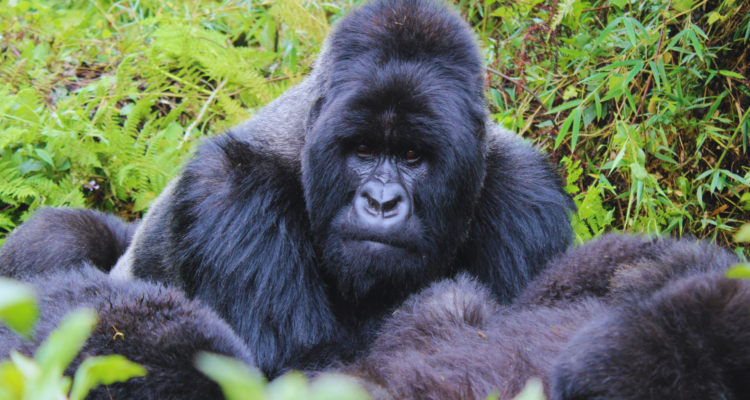
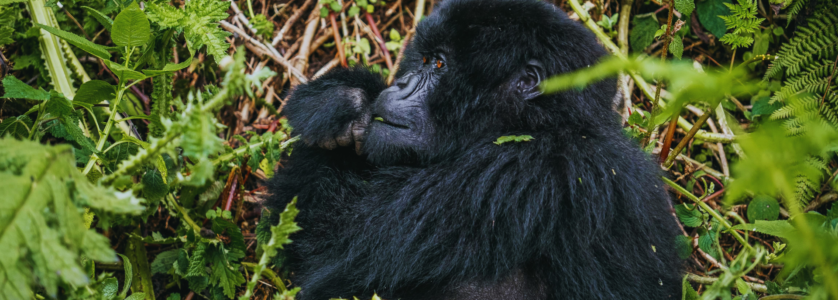
The gorillas are the same species (Gorilla beringei beringei). The difference lies in the trek logistics. Rwanda offers shorter drives and more open bamboo forests, while Uganda offers a “wilder,” denser jungle experience and lower permit costs.
Why do some agencies say they have permits when the official site says zero?
This is due to the “Pre-purchase System.” Elite agencies buy permits in bulk months in advance. These permits are held in the agency’s name and are only assigned to a specific traveler once a booking is confirmed.