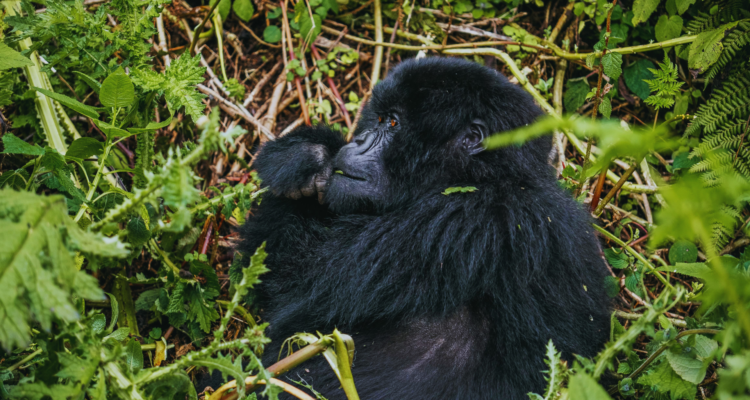
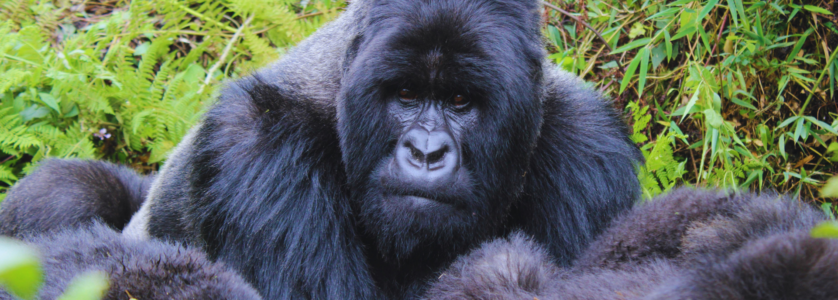
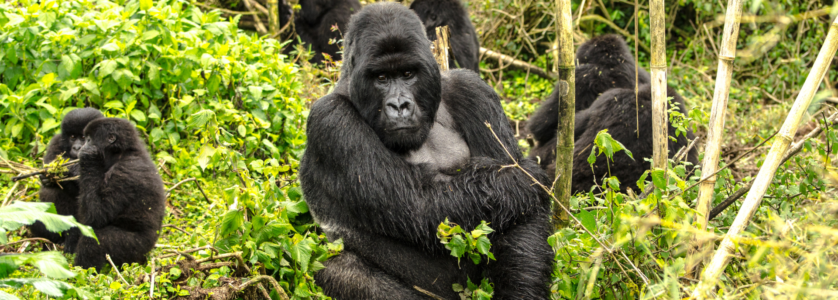
You’ve seen the classic safari photos: influencers in crisp linen shorts and wide-brimmed hats, gazing serenely at a savanna. If you bring that wardrobe to a gorilla safaris Rwanda expedition during the wet season, the forest will chew you up.
The Albertine Rift doesn’t do “gentle rain.” It does vertical deluges that turn ancient trails into grease-slicked chutes. In these conditions, standard outdoor gear often fails. Zippers jam with volcanic grit, “waterproof” membranes saturate in the 90% humidity, and cheap ponchos shred against wait-a-bit thorns.
If you want to focus on the silverback standing ten feet away rather than the cold water pooling in your boots, you need to abandon the “safari look” for tactical utility. This is the definitive packing matrix for Rwanda safaris & tours during the high-precipitation months.
The Wet Season Reality: More Than Just Rain
During the wet season (March–May and October–November), the jungle is a living, breathing steam room. While the rain is frequent, the real logistical enemies are humidity, mud, and stinging nettles. The humidity means that once something gets wet, it stays wet for the duration of your trip unless you have access to a drying room. The mud isn’t just dirt; it’s a slick, clay-like slurry that renders standard hiking lug soles useless. And the nettles? They will pierce right through lightweight “breathable” trekking pants.
Information Gain: The “Anti-Safari” Tactical Matrix
Forget the myths. You don’t need a multi-pocketed vest. You need these high-utility items that most packing lists overlook.
The Primate Trekking Gear Comparison
| Item | Standard Safari Advice | Tactical Reality (Wet Season) | Why It Matters |
| Footwear | Low-cut hikers | High-ankle, waterproof boots | Prevents ankle rolls on mud-slicked 45° inclines. |
| Legwear | Lightweight zip-offs | Heavy-duty canvas or G-1000 | Thorns and nettles will shred thin “quick-dry” fabrics. |
| Gaiters | “Optional” | Non-Negotiable | Keeps mud out of boots and protects against “red ants.” |
| Gloves | None | Tactical / Gardening gloves | You will be grabbing thorns and wet roots for stability. |
| Outerwear | Breathable Windbreaker | 3-Layer GORE-TEX Pro Shell | Standard “water-resistant” gear fails in 15 minutes of equatorial rain. |
Debunking the Myths: Why Your “Safari Kit” Might Fail
1. The Gaiter Necessity
Many travelers skip gaiters because they look “extreme.” In the wet season, they are your most important piece of armor. Beyond keeping mud out of your expensive boots, they serve as a barrier against the “safari ants” that thrive in the damp leaf litter. If you don’t seal the gap between your boots and trousers, these ants will find a way up.
2. Tactical Gloves are Mandatory
Don’t let the “gardening” aspect fool you. When you are trekking through the Volcanoes National Park on gorilla safaris Rwanda, the terrain is often so steep you will be using all four limbs. The forest is filled with stinging nettles and jagged bark. A pair of tough, rubber-palmed gloves allows you to grab onto anything for balance without a second thought.
3. Humidity vs. “Breathability”
“Breathable” gear relies on a temperature and moisture gradient to push sweat out. In a 95% humidity environment, that gradient doesn’t exist. You will sweat. The goal of your wet-season shell isn’t to keep you bone-dry from sweat; it’s to stop the external cold rain from dropping your core temperature.
Protecting the Tech: Avoiding Fogged Lenses
For many on Rwanda safaris & tours, the camera gear is worth more than the trip itself. The transition from an air-conditioned vehicle to the humid forest creates instant internal condensation in lenses.
- The Dry Bag Rule: Keep your camera in a high-quality dry bag with several large silica gel packets.
- The Acclimatization Trick: Don’t keep your camera gear in front of the AC vent in the car. Keep it in the warmest part of the vehicle so the glass is already close to the ambient jungle temperature when you start the trek.
- Lens Cloths: Pack five times more than you think you need. Once one gets damp in the jungle, it’s useless for smudges.
The “After-Action” Recovery
Logistics don’t end when you leave the forest. Wet season trekking requires a post-trek gear protocol.
- Stuff the Boots: Use old newspapers (most luxury lodges provide these) to stuff your boots immediately. This pulls moisture out from the inside.
- The Mud Scrub: Don’t let volcanic mud dry on your gear. It becomes like concrete. Most Rwanda safaris & tours providers include a boot-cleaning service, use it.
- De-Leaching: While less common than in Southeast Asia, check your gaiters and socks for small leeches that thrive in the wet ferns.
Frequently Asked Questions
Is the wet season actually a good time for gorilla safaris Rwanda?
Actually, yes. While you will get wet, the gorillas often stay at lower altitudes to feed on fresh bamboo shoots, which can lead to shorter trek times. Plus, the forest is at its most vibrant for photography.
Do I really need waterproof trousers?
Actually, many experienced guides prefer heavy-duty trekking pants with gaiters over waterproof trousers. Waterproof pants can be noisy and make you overheat. If you do go waterproof, ensure they have side vents.
What color should I wear for primate trekking?
Neutral tones like forest green, khaki, and brown are best. Avoid bright whites or “neon” colors, which can be distracting to the primates. Avoid blue and black in areas with tsetse flies (though they are less of a concern in the high-altitude gorilla forests).
Can I rent gear in Rwanda?
Yes, most park headquarters and high-end lodges offer gaiters and trekking poles for rent. However, we always recommend bringing your own broken-in boots and tactical gloves to ensure a perfect fit.