
Are you starting to plan a Uganda safari holiday but still have a lot of questions regarding your travels? Worry not, in this blog, we bring all the top answers to the frequently asked questions about traveling to Uganda!
Uganda, often called the Pearl of Africa, stands out as one of the most exciting destinations on the African continent for anyone seeking adventure, natural beauty, and wildlife.
This East African gem straddles the equator, offering everything from misty mountain forests teeming with mountain gorillas to vast savannas where elephants and lions roam freely.
Whether you’re dreaming of gorilla trekking, chimpanzee trekking, or classic safaris, Uganda delivers experiences that feel raw, rewarding, and unforgettable.
Many travelers often wonder about the basics before planning a trip, such as ‘Is Uganda safe?’, what’s the best time to visit?’ ‘How do I get there?’, and ‘ What should I expect?’, among many others.
These answers to these frequently asked questions about traveling to Uganda are all listed in the blog below, from the rules to costs, culture, and packing tips to help you plan a better safari.
Uganda welcomes visitors year-round with hospitable people and diverse options for families, solo travelers, and couples alike.
Key takeaways about the frequently asked questions about Uganda.
- Gorilla trekking as Uganda’s top draw for safari enthusiasts seeking to see the critically threatened mountain gorillas during Uganda gorilla tours.
- Best time to visit Uganda to experience all its highlights firsthand with ease, i.e., the dry seasons and the wet seasons
- Diverse safaris across Uganda’s national parks worth engaging in to create lasting memories include gorilla walking, bird watching, and white water rafting, among many others.
- Practical entry requirements and health basics to understand as you start planning your Uganda safari travels
- Safety, security, and culture in Uganda information to understand as you plan to traverse the Pearl of Africa.
- Uganda safari budget and planning tips to look into and plan hassle-free journeys.
Let us delve into the details about the frequently asked questions about traveling to Uganda, the Pearl of Africa!
General Knowledge FAQS About Uganda
Where Is Uganda Located?
Uganda sits in the heart of East Africa, bordered by Kenya to the east, Tanzania and Rwanda to the south, the democratic republic of Congo to the west, and South Sudan to the north.
Straddling the equator, it features diverse landscapes including Lake Victoria, the source of the Nile rugged Rwenzori mountains (Mountains of the Moon), and high plateaus.
This central position makes it easy to combine with neighbouring countries for broader adventures.
What Is the Capital City of Uganda?
Kampala is the bustling capital of Uganda, and it spans across seven hills mixed with modern buildings, vibrant markets, and historical sites like the Kasubi tombs.
Most international visitors arrive via Entebbe Airport, about 40 kilometers away, making Kampala a convenient starting point for Uganda safaris and tours.
What Are the Official Languages of Uganda?
English serves as the official language widely used in tourism, government, and education.
Swahili holds co-official status, especially near borders and trade sectors.
Over 40 languages, like Luganda, add richness to daily life.
In parks, lodges, and tours, English is spoken fluently by guides, so communication flows easily for international visitors.
What Is Uganda’s Nickname?
Winston Churchill famously called Uganda the Pearl of Africa, a fitting title thanks to its lush forests, dramatic waterfalls like Murchison falls and incredible biodiversity, including half of the world’s remaining mountain gorillas.
What Time Is in Uganda?
Uganda follows East Africa time (EAT), UTC +3, with no daylight saving changes.
It is one hour ahead of Central European Time and aligns with Kenya and Tanzania, keeping things simple for regional travel.
What Is the Climate in Uganda?
Uganda has an equatorial climate with mild temperatures usually between 20-28°C (68-82°F) influenced by altitude.
It features two rainy seasons, i.e. longer one from March to May and a shorter one from September to November.
There are also two dry seasons in Uganda that run from June to August and December to February, offering clearer skies and better wildlife viewing.
High altitude areas like gorilla habitats or gorilla forests can feel cooler, so pack layers when coming for safari holidays.
What Is the Ugandan Food and Drink?
Ugandan cuisine centers on fresh, hearty staples such as Matoke (steamed green bananas), sweet potatoes, beans, and vegetables from the base, often paired with stews, grilled meats like Muchomo or rolex (a chapati wrap with eggs).
Drinks include Nile Special Beer, local waragi gin, and fresh juices.
On Uganda safaris, most lodges serve full board meals, blending local Flavors with international options, accommodating dietary needs when requested ahead.
Uganda Travel and Logistics FAQs
What Is the Best Time to Visit Uganda?
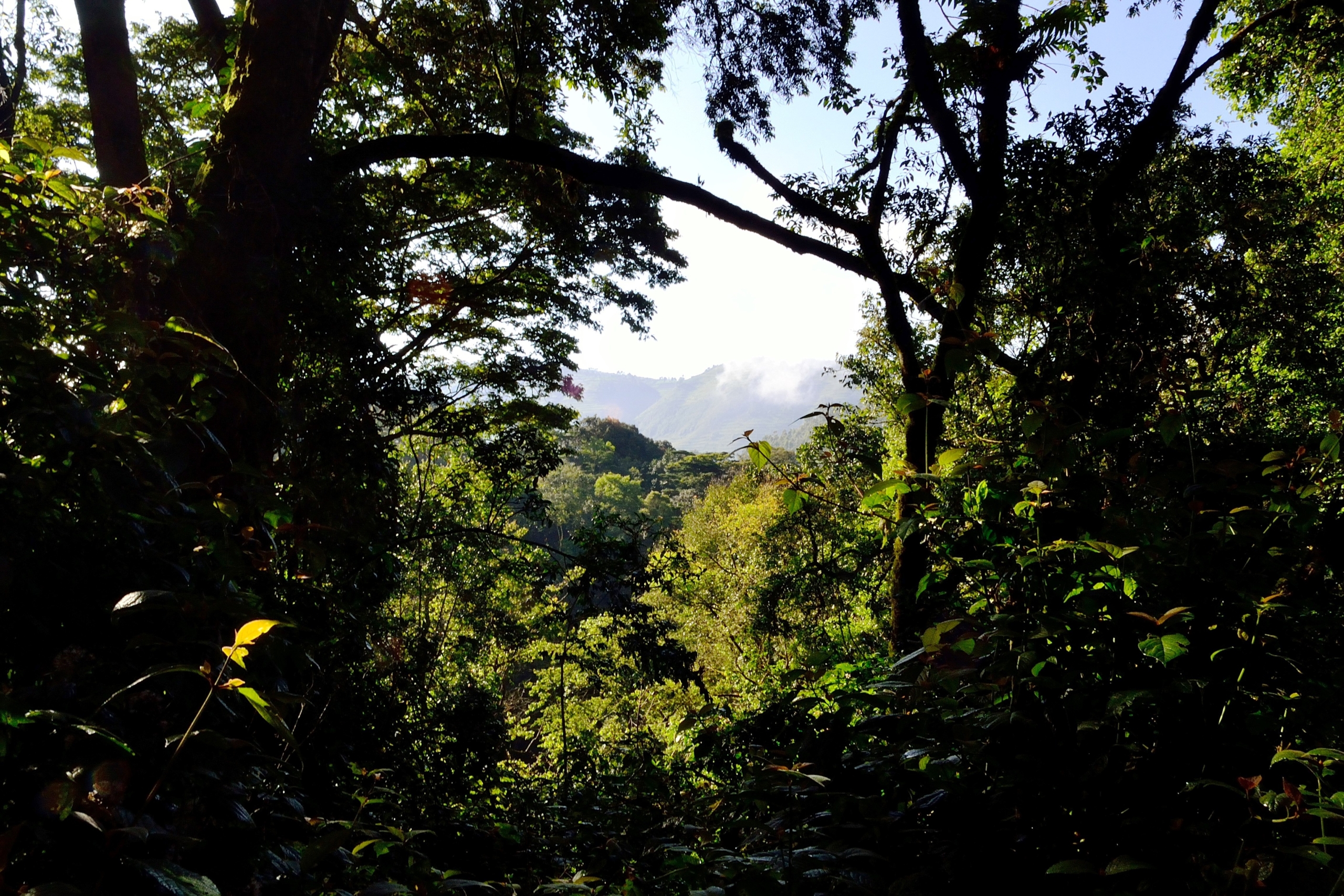
The best time to visit Uganda is during the dry seasons from June to August and December to February for the best sightings of wildlife and good weather for most safari outdoor activities.
It is worth noting that Uganda is a year-round destination that can also be visited during the rainy seasons, which offer lush scenery, discounted lodges, and fewer crowds.
How Do I Get to Uganda?
Travelers planning to go to Uganda can get to Uganda by air and by land.
- By Air: Fly into Entebbe International Airport (Entebbe Airport) via Emirates, Qatar, Ethiopian, Brussels, KLM, etc, airlines from the different hubs in Europe, Asia, and the Middle East. From the airport, travelers can take a road transfer to their safari destinations.
- By Land: Alternatively, travelers can fly into Kigali (Rwanda), Dar es Salaam (Tanzania), or Nairobi (Kenya), then use a 4×4 safari vehicle to transfer to Uganda via border crossings, as long as they obtain an East Africa tourist visa.
What Are the Uganda Visa and Entry Requirements?
Some of the must-have Uganda visa and entry requirements include.
- An e-visa obtained on arrival or from the embassies, costing around $50.
- A valid Passport with a validity of at least 6 months.
- Onward ticket
- Mandatory yellow fever certificate
How Do I Get Around Uganda?
Travelers who enter Uganda successfully can get around the cities, towns, and parks or tourist places using 4×4 vehicles, internal flights, boats, with driver guides offering major support in navigating the roads safely.
What Vaccinations Are Needed to Enter Uganda?
Some of the vaccinations needed to enter Uganda include the yellow fever vaccination, and others are recommended, like Hepatitis A &B, typhoid, rabies, malaria, cholera, polio, etc.
Is Travel Insurance Necessary?
Yes, tourists are strongly encouraged to purchase good travel insurance for emergencies, cancellations, and risky outdoor activities such as mountaineering.
What Currency is Used in Uganda? | Do I Need to Carry Money When Going to Uganda?
Yes, travelers need to carry some Ugandan currency or money when coming to the country, though U.S. dollars (post 2009 dollars) are widely accepted in the country.
Uganda Safari Basics and Frequently Asked Questions
Where Can I Go on Safari in Uganda?
Uganda shines with several tourist places one can go to during safaris, and some of these include the ten national parks and diverse ecosystems.
Tourists can visit destinations like
- Queen Elizabeth National Park, which draws crowds for tree-climbing lions and large elephant herds
- Kibale Forest National Park, which boasts the highest chimpanzee density in East Africa.
- Bwindi Impenetrable National Park and Mgahinga Gorilla National Park in the southwest, which excel in offering Uganda gorilla trekking tours.
Murchison Falls National Park, which offers dramatic waterfalls and big game.
Tourists can use the domestic flight network with small Cessna Caravan aircraft for quick transfers to remote airstrips.
How Many Safari Parks Are in Uganda?
Uganda protects its wildlife across ten main national parks that include
- Bwindi Impenetrable National Park
- Mgahinga Gorilla National Park
- Kibale National Park
- Queen Elizabeth National Park
- Murchison Falls National Park
- Rwenzori Mountains National Park
- Semuliki National Park
- Mount Elgon National Park
- Kidepo Valley National Park
- Lake Mburo National Park.
Additionally, twelve wildlife reserves add extra protection for Uganda’s wildlife, but most visitors focus on two or four parks per trip.
What Categories of Safaris Are Available in Uganda?
Uganda has several categories of safari holidays that suit all traveler interests and some of these include
- Gorilla trekking safaris
- Chimpanzee Tracking Tours
- Golden Monkey Trekking excursions
- Classic game drive safaris
- Boat cruise trips on rivers and lakes
- Guided walking safaris
- Birding tours
- Cultural experiences and visits
- Sport Fishing excursions
It is worth noting that gorilla tracking and chimpanzee trekking provide immersive primate experiences in the country.
Choose private or group tours, luxury or budget travel styles, and tailor-made itineraries combining activities like white water rafting on the Nile with gorilla safaris.
What Wild Fauna Can I Expect to See on Safari in Uganda?
Tourists on Uganda wildlife safaris can expect to see a variety of fauna species, such as the
- Endangered Mountain gorillas (459+, which is half of the world’s population)
- Over 1,500+ Chimpanzees
- Big Five (lions, elephants, leopards, buffaloes, and rhinos at Ziwa sanctuary.
- Giraffes
- Nile crocodiles
- Hippos
- Several Antelope Species
- Over 1073 Bird Species
It is worth noting that Uganda safaris done during the dry seasons boost sightings, as it is during these dry spells that animals gather near the water.
Where Can I See Endangered Gorillas in Uganda?
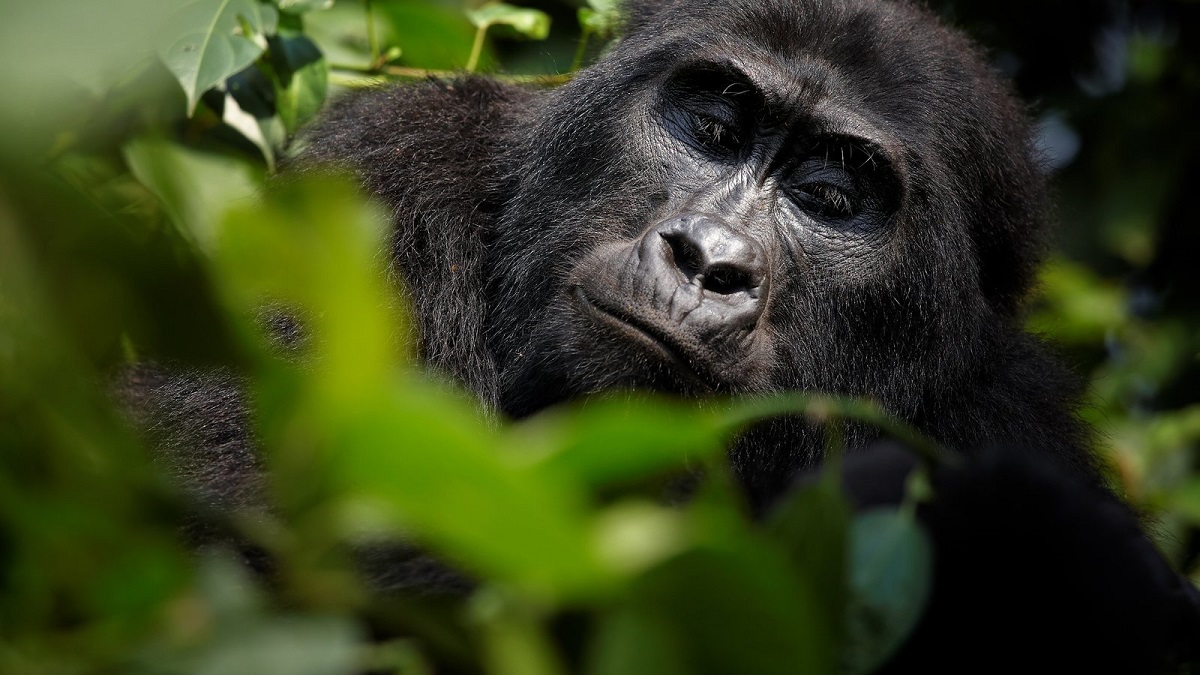
Travelers can see the endangered gorillas in the southwest part of Uganda in the gorilla parks, Bwindi Impenetrable National Park and Mgahinga Gorilla National Park.
It is worth noting that Bwindi Impenetrable Forest National Park has about 459+ endangered mountain gorillas across four gorilla trekking sectors lie Buhoma, Ruhija, Rushaga, and Nkuringo, in 25 habituated troops, while Mgahinga National Park has a small habituated group of gorillas in the Nyakagezi Family, averaging 30.
These habituated gorilla families allow close and guided encounters with these gentle giants during Uganda gorilla safaris.
What Safari Activities Can I Engage In?
Some of the fun safari activities to engage in while in Uganda include mountain gorilla trekking, game drives, boat safaris, mountain hiking in Rwenzori, cultural dances & visits, fishing, lion tracking, birding, and golden monkey spotting, among others.
It is worth noting that gorilla trekking highlights allow up to one hour with gorillas guided by rangers all year round, making them a top draw for most tourists.
Can I Combine a Uganda Safari with Other East African Countries?
Yes, with an East African Visa covering Kenya, Uganda, and Rwanda, you can easily combine your Uganda safaris with trips to other East African countries, e.g., by adding Tanzania’s Serengeti, or Kenya’s Masai Mara.
Most top tour operators handle cross-border logistics for seamless multi-country trips.
Do I Need to Book A Uganda Safari Trip in Advance?
Yes, booking Uganda safaris in advance is strongly recommended, especially if you intend to go gorilla trekking because Uganda gorilla permits sell out quickly. Booking at least 3-6 months ahead in peak seasons through tour operators is crucial to get the permits, lodges, flights and activities.
How Long Should I Plan for A Safari in Uganda?
The most recommended days to plan a safari range from seven to ten days, covering key highlights.
Alternatively, shorter three-to -five day trips focusing on one or two parks and 12-15 days allowing deeper exploration are also recommended.
It is important to factor in road conditions, permits, and activities as you plan safaris.
Is Uganda a Good African Safari Destination for Family Holidays?
Yes, Uganda is a good African safari destination for family holidays, because it offers family-friendly activities such as boat trips, game drives, and cultural visits that can also be done by kids.
Additionally, many lodges offer family facilities, though gorilla trekking has a 15-year minimum age limit, but other plenty activities that suit families.
Uganda Gorilla Trekking FAQS
Is Gorilla Trekking Dangerous?
Gorilla trekking in Uganda is highly safe with armed rangers, trackers, and strict rules set to be followed by all trekkers.
Groups stay small (max 8 people), distances are maintained (7m), guidelines are implemented, and most treks go smoothly with proper fitness.
Is Gorilla Trekking Worth the Money?
Yes, gorilla trekking is worth all the money because it is a once-in-a-lifetime experience supporting conservation, i.e., the $8o00 gorilla permit fee funds rangers, local communities, and gorilla habitat protection.
How Difficult Is Gorilla Trekking?
Gorilla trekking varies in level of difficulty, i.e., from moderate to strenuous, with guided hikes of 2-8 hours over steep, muddy terrain at high altitudes.
Considering this information, travelers are strongly encouraged to have good physical fitness and hire porters to assist with carrying gorilla trekking gear.
What Should I Expect During the Uganda Gorilla Trekking Experience?
Trekkers on gorilla trekking tours should expect to start their gorilla trek with a 7:30 am briefing, hike with trackers to locate the habituated gorilla family, then spend one hour observing their social behaviors like feeding and playing as rangers explain details and trekkers take flashless photos.
How Much Does It Cost to See Gorillas in Uganda?
The costs of seeing gorillas in Uganda greatly depend on several factors, including permits, season, transport, accommodation, etc.
It is worth noting that standard gorilla permits cost $800 per person (foreign non-residents)
Is It Better to See Gorillas in Uganda or Rwanda?
Both Uganda and Rwanda have some of the most exquisite and fun gorilla safaris in Africa.
However, the issue of who offers the best gorilla trekking safari experience depends greatly on your priorities.
It is worth noting that Uganda offers more habituated gorilla families (25+), a lower cost of gorilla permit ($800 vs 1,500 for Rwanda), diverse add-ons like classic savanna safaris, while Rwanda offers easier terrain for tracking gorillas and quicker access to the gorilla park, Volcanoes National Park.
Choose Uganda for value and variety.
How Do I Get a Gorilla Trekking Permit in Uganda?
Tourists interested in tracking gorillas can obtain Uganda gorilla permits directly from the Uganda Wildlife Authority via their portal or through a Uganda tour operator, 6 months ahead, with passport details and full payment.
Are Children Allowed to Trek Gorillas?
No, the minimum age for gorilla trekking is 15 years to protect the participants and gorillas.
What Are the Gorilla Trekking Rules and Regulations?
Some of the well-known gorilla trekking rules and regulations include.
- Keep a 7-meter distance from the gorillas.
- Limit gorilla observation time to one hour.
- No flash photos or eating nearby.
- Speak quietly while in close range of the gorillas
- Wear masks if unwell
- Follow all the rangers’ directions
Uganda Safari Costs, Payments, and Packing FAQs
What Is the Average Safari Price for A Uganda Tour?
The average safari price for a Uganda safari tour ranges greatly depending on the travel style, accommodation, permits, and other factors; however, the estimated daily rates are around $200-300 for budget, $300-500 for midrange, and $600+ for luxury.
Please note that gorilla permits add significantly to the costs since they go for $800 per person for foreign non-residents.
What Is Included and Excluded in A Uganda Safari Package?
Some of the items included on a proper Uganda safari package include accommodations, full board meals, transport (4×4 or domestic flights), tour guides, park entrance fees, water, etc.
Some of the items often excluded include international flights, visas, insurance, tips, drinks, souvenirs, and optional activities.
Are Credit Cards and Travellers’ Cheques Accepted in Uganda?
In cities and hotels, only credit cards are accepted, while travelers’ cheques are no longer accepted.
Tourists are strongly encouraged to carry cash for markets and remote spots since ATMS are available in urban areas and not in rural areas.
What To Wear for A Uganda Trip?
Tourists traveling to Uganda are strongly encouraged to wear long trousers, long-sleeved shirts, sturdy boots, a wide-brimmed hat, a rain jacket, neutral colors, and warm layers for high-altitude areas.
What To Pack for A Uganda Tour?
Tourists visiting Uganda are strongly encouraged to pack essential items like insect repellent, sunscreen, rain gear, adapter & power bank, medications, light luggage (15kg), fleece, etc.
Frequently Asked Questions About Uganda Accommodation
What Accommodation Facilities Are Available in Uganda?
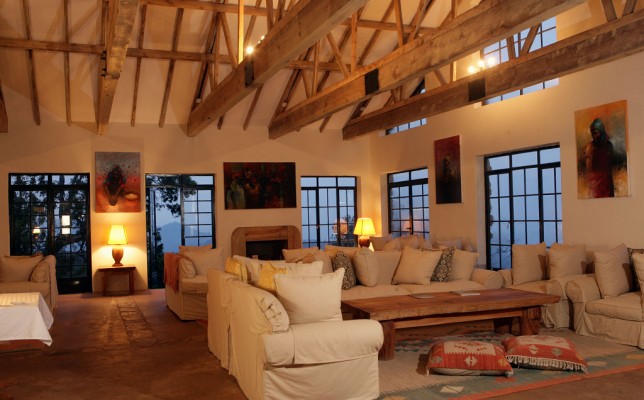
Some of the accommodation facilities in Uganda include lodges, hotels, safari camps, guesthouses, homestays, and B&Bs ranging from luxury, midrange, to budget tiers, fitting all budgets.
Luxury options often offer spa treatments and gourmet meals, midrange options offer swimming pools, while budget options offer basic facilities with good value for money.
What Meals Are Offered in Uganda?
Most accommodations and tourist places in Uganda offer full board meals from buffets, packed lunches, and dinners with local and international cuisines.
Can I Charge My Phone in Uganda?
Yes, most places in Uganda have 240V outlets and charging portals, while in places with frequent power outages, power banks help.
Frequently Asked Questions About Uganda Culture, Etiquette, and Laws
What Should I Know About Culture and Customs in Uganda?
Some of the customs and cultural norms in Uganda include.
- Respect elders
- Greet people with proper handshakes
- Ask for photos from the people
- Hospitality defines Ugandans, so expect a warm welcome from most people
How Should I Dress During Safaris in Uganda?
Travelers coming to Uganda are strongly encouraged to wear modest clothing in Uganda, especially in the rural areas, that is to say, cover shoulders/knees, as well as protective clothing on safaris.
What Language Can I Use in Uganda?
Uganda has a unique mosaic of languages, but the most commonly used language or official language is English.
English is used everywhere in tourism, but learning basic phrases is very much appreciated and comes in handy.
What About the Case of LGBTQ Travelers?
Same sex activities are considered illegal in Uganda, so LGBTQ travelers coming to Uganda need to exercise discretion and avoid public displays of affection.
What Is the Tipping Culture in Uganda?
Tipping in Uganda is not mandatory, but is greatly appreciated, with tips ranging from USD10-20 per day for guides or drivers, USD5-10 for staff, or 10% of the bill for restaurants.
What Is the Social Etiquette in Uganda?
Social etiquette in Uganda entails polite greetings, respecting traditions, and minimal public displays of affection, among others, as laid out by the travel agents.
What Local Laws Should Tourists Follow in Uganda?
Some of the local laws tourists need to abide by include
- No plastics
- No drugs
- No feeding wildlife
- No drone without a permit
- Carry ID at all times
- No public displays of affection, especially from same sex couples
What are The Penalties in Uganda?
Some of the fines law offenders face in Uganda include fines, jail or imprisonment, deportation, among others, so always comply fully with the given laws by the local authorities to avoid arrest.
Frequently Asked Questions About Safety and Security in Uganda
Is Uganda Safe? | Is It Safe to Travel to Uganda?
Uganda is generally safe for tourists heading to various tourist spots in the country, including safari parks, with guided or organized tours. However, just like any African safari nation, following basic precautions and avoiding night travel is important, and using common sense.
Is Uganda Family Friendly?
The Pearl of Africa (Uganda) is family-friendly with engaging activities and kid-friendly lodges available across the nation.
Is Uganda Safe for Solo Travelers?
Uganda is very welcoming for solo travelers on guided tours; however, if possible, choose to travel in groups and stay vigilant while in the cities.
Is Moving at Night Safe in Uganda?
Travelers are strongly advised to stay clear of any night travels, but if they can’t resist, then they should move in well-lit areas using arranged transport by the safari companies.
How Do I Keep Valuables Safe in Uganda?
Tourists in Uganda can keep their valuables in hotel safes, money belts, and purses. However, travelers are strongly advised against using or carrying flashy items.
Frequently Asked Questions About Health Safety in Uganda
What Health Precautions Should One Follow When Visiting Uganda?
Travelers visiting the nation of Uganda are strongly encouraged to follow health precautions such as
- Carry malaria prophylaxis
- Use insect repellents during safaris to keep away insects and bugs
- Drink only bottled water or purified water
- Avoid eating on uncooked foods or meats
- Refrain from unprotected sex while in Uganda
- Take vaccination shots for high-risk diseases to minimize the risk of infections.
- Use sunscreen for sun protection.
Is Drinking Tap Water Okay?
Tourists are strongly advised to refrain from drinking tap water because it is not safe. They need to stick to bottled water or purified water during Uganda safaris.
What Are the Leading Health Issues in Uganda?
The leading health issues in Uganda are malaria, HIV/AIDS, diarrheal diseases, among others, so precautions need to be followed accordingly to minimize risks of diseases.
Is Healthcare Free in Uganda?
In Uganda, healthcare is not free, but basic public services are available in most areas.
However, private health clinics are considered better, though they exist mainly in towns, and purchasing travel insurance helps greatly.
Are There Good Health Facilities in Uganda?
Good health facilities in Uganda exist mostly in city centres, though there are basic public clinics in rural areas and in the national parks.
Frequently Asked Questions About Infrastructure in Uganda
Is There Electricity in Uganda?
There is electricity (240V) in Uganda, with most roads, hotels, and safari parks lit, though in remote areas, solar electricity is commonly used.
Is There Internet in Uganda?
Yes, there is internet in Uganda, though it is more reliable and good in urban areas and limited in most national parks. So, keep connected by buying a Ugandan SIM card at the airport (MTN or Airtel) and some data bundles.
Can I Use My Phone in Uganda?
Yes, you can use your mobile phone or gadget in Uganda; all you need is reliable internet or purchase a Ugandan SIM card for data bundles while in remote spots.
What Is the Plug Type in Uganda?
Uganda has Type G (UK-style) socket plugs or charging portals, so bring chargers or adapters of that similar style to help you charge your phone and other gadgets.
Are Ugandan Roads Good?
The roads in Uganda are a mix of high-quality, recently constructed asphalt highways and poor, potholed, and unpaved secondary routes connecting major cities to rural towns.
Though major highways are mostly good, the roads in Kampala suffer severe potholes, traffic jam and congestion.
With all these answers to the frequently asked questions about traveling to Uganda, your safari plans can be easily implemented.
Contact us today and let us tailor the best Uganda safari package for you to explore the Pearl of Africa firsthand and create unforgettable memories!.

