
TRAVELING TO UGANDA: HOW TO GET TO UGANDA
Traveling to Uganda is Easier Than You Think. Uganda is in East Africa, and getting here is simpler than most people expect. The country is welcoming, and whether you’re coming for gorillas, safaris, or the lakes, there are clear ways to get in and get around.
Entebbe Airport (EBB) is the major gateway with services from major airlines, cities and countries like Canada, USA, United Arab Emirates etc.
You will require a valid passport and a single entry visa for Uganda. You can also cross by vehicle at immigration posts at the borders with Rwanda, Kenya, South Sudan, Tanzania and DRC.
Domestic flights and road transit are places to go. Many travel firms have safari packages which include transport.
This is a detailed overview of how to travel to Uganda!
Traveling By Air to Uganda | Entebbe International Airport
You can fly or take planes to Entebbe Airport to arrive in Uganda and here is a complete overview of everything it entails.
1) Arrivals at Entebbe Airport
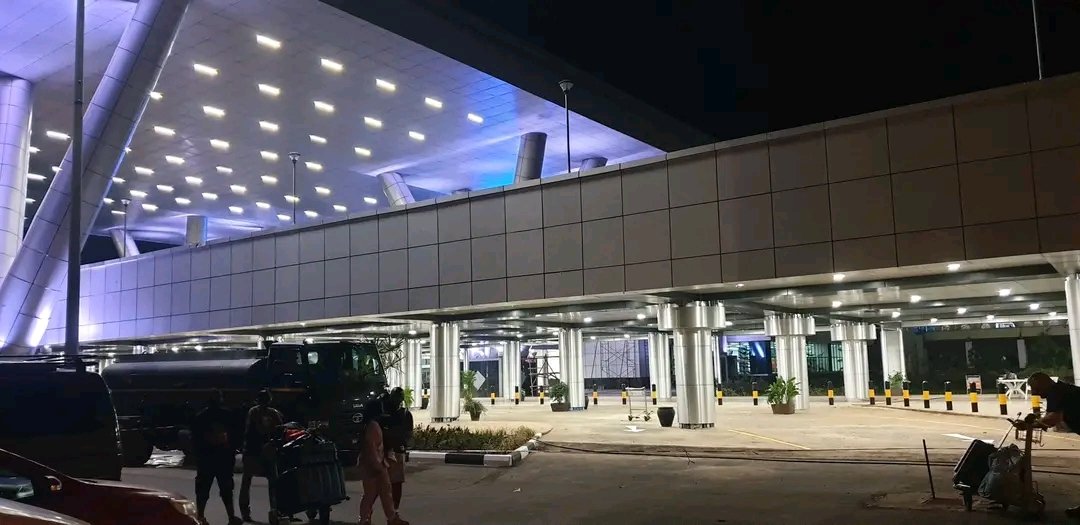
Entebbe Airport (EBB) is an international airport serving Kampala, 40 km (25 km) southwest of the city. Some of the airlines connected to it are Uganda Airlines, Kenya Airways and Emirates. Airlines provide all the classes from budget to business.
Flight duration varies, with major cities in Africa like Addis Ababa, the capital city of Ethiopia; Nairobi, the capital city of KE; Lagos; Abuja, the capital city of Nigeria; etc., taking 1-3 hours and major European cities taking 8-10 hours before arrival, including connecting flights to the country’s only international airport—Entebbe Airport.
2) Uganda Entry Requirements
To fly in or enter Uganda, foreign visitors need a passport that is valid (6+ months), a visa (obtained online, on arrival, or at a Ugandan embassy), and a yellow fever vaccination certificate often presented when subject to check-ins after their flights.
Tourist single-entry visas cost $50, and multiple-entry visas go for around $100 to $200 depending on the months, while East African multiple-entry visas cost $100 for those intending to fly into Uganda through its only international airport, Entebbe Airport.
3) Cheap Flights and Airlines
There are Uganda carriers, Kenya Airways, Emirates, Turkish Airlines, KLM and many others that offer great and inexpensive flight deals to Entebbe Airport.
Entebbe Airport is the only international airport in Uganda and you can find cheap flights into here by booking early, using airline comparison websites and travelling in the off-peak season.
You can also choose to use online travel providers such as Kayak, Expedia and Agoda who have an internet website presence to help you find cheap deals and prices on flights to Uganda through Entebbe Airport for an easy fly-in experience.
4) Domestic Airlines and Flights
There are several local airlines in Uganda that take passengers to whatever place they choose to fly to in the country including Entebbe especially at the Entebbe Airport and they include Uganda Airlines, Aerolink and Bar Aviation that fly both domestic and foreign nationals.
They have good prices for flights out of Entebbe airport to a number of airstrips in the national parks and big towns. Aerolink provides scheduled domestic and connecting flights and charter flights through travel operators.
Some of the airstrips in Uganda that may receive international charter aircraft with prior arrangements with the immigration officers are; Pakuba Airstrip (Murchison Falls), Kasese Airstrip (Queen Elizabeth), Kakira Airstrip (Jinja), Kihihi Airstrip (Bwindi) and Apoka Airstrip (Kidepo Valley).
The best way to reach Kidepo Valley National Park in Northern Uganda is via domestic flights.
5) Departures From Entebbe Airport
Foreign nationals are encouraged to be at Entebbe Airport at least 2 hours before the planned boarding and departure time of their flights with the relevant travel documents.
Foreigners can change currency at the Entebbe Airport forex facility which operates 24 hours after immigration and customs clearance.
Taxis are available at Entebbe Airport. A private cab to Entebbe will cost approximately $5 and to the capital city of Kampala about $35.
Secure safari and tour experience in Uganda from now on!
Traveling to Uganda by Land
Considering that the country is bordered by several countries, it is easier to access it by land, and this is a breakdown of what it entails.
1) Border Crossings
Uganda shares borders with Kenya, Tanzania, Rwanda, Democratic Republic of Congo and South Sudan.
The border crossings to the mainland are Busia and Malaba (KE), Mutukula (south east – TZ), Katuna and Cyanika (Rwanda), Bunagana and Mpondwe (DR Congo) and Nimule and Elegu (South Sudan).
Travellers can make the crossing by bus, cab or private vehicle, and the necessary visas, immunizations and papers vary.
2) International Travel Requirements
You need a passport valid for at least six months after the date you desire to leave Uganda.
Visas for Uganda Uganda visas are needed for international travel. They can be obtained on arrival, online or at an embassy of the Ugandan government.
You also need a yellow fever vaccination certificate, an international driving permit if you are driving a private automobile and a coronavirus-negative test certificate.
You should also look at buying travel insurance. A $100 East African visa permits multiple entry to Uganda, Kenya and Rwanda. A single-entry tourist visa costs $50.
3) Transportation Options
You can reach and go around Uganda using private means, public transport (matatus/minibuses) or trusted tour agencies.
Several bus companies operate from neighboring countries, including KE, TZ, and Rwanda, e.g., Modern Buses, Mash Poa Buses, etc. You just have to wait for one at the bus stops. Private taxis and shared taxis or shuttles are available at border crossings as well.
When driving, ensure your vehicle is in good condition, and consider a 4×4 safari vehicle for off-the-beaten-track safari adventures.
4) Safety and Security
Travelling by land in Uganda is beautiful and hard. To guarantee safe passage,
- Know your route, plan ahead and local conditions.
- Be mindful of your surroundings, especially in crowded places and use a reliable tour operator.
- A well-planned, well-prepared trip can be a safe and unforgettable one.
- Know your stuff, and know your safety.
Here are guidelines for safe land travel to Uganda for the fun safaris & tours!
Traveling By Water to Uganda | Lake Victoria
Uganda is a country with lots of lakes and rivers. Lake Victoria has ferry connections to surrounding nations (Kenya and Tanzania) hence it is easy to go by boat to this beautiful country. That’s the purpose of a water trip to Uganda.
1) Lake Victoria Ferry Services
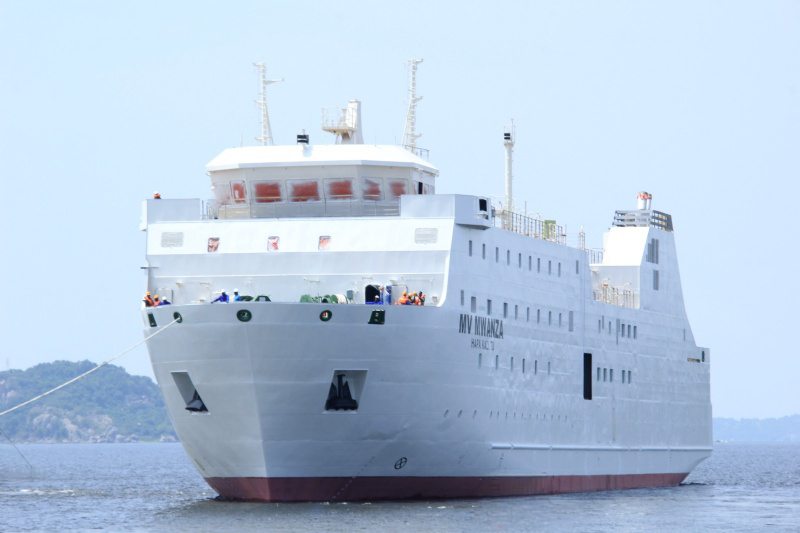
Uganda is served by ferries on Lake Victoria to adjacent nations. MV Victoria is a ferry that ferries people to and from the city of Kampala to Mwanza, TZ and Kisumu, Kenya.
They operate ferries on the MV Amani and MV Bluebird between Port Bell, Uganda and Mwanza, TZ. These ships provide a beautiful and calm travel across countries for a wonderful journey.
2) Travel Requirements
Boats: You need a six months-valid passport to enter Uganda by watercraft. Check if you require a visa for Uganda and, if so, obtain it on arrival, online or at a Ugandan embassy.
Travellers arriving from or transiting through countries with risk of yellow fever transmission are also required to be in possession of a yellow fever vaccination certificate.
3) Safety Precautions
If you are travelling to Uganda by boat, your safety should be the first concern. Wear life jacket when on board. Check the weather forecast in advance. Check the vessel for soundness.
Following these directions you will have a pleasant and picturesque journey and lessen dangers.
Safe and secure voyage for your water excursions in Uganda
Additional Information for International Travel
Here are some features and suggestions that you might want to consider when travelling to Uganda for the best experience.
1) Uganda Visas | Single Entry Visa | Multiple Entry Visas
You have to apply for a Ugandan visa online or on arrival and acquire an admission stamp before you may enter. Single-entry visas are valid for 3 to 6 months while multiple-entry visas are valid for 6 to 12 months.
2) Visa Requirements and Travel Documents
Ensure your passport is valid for 6 months or more. Travel insurance documents and your yellow fever vaccination certificate A visa, bought online, on arrival or at a Ugandan embassy
3) Health And Safety
If you are travelling to Uganda, make sure you take the required steps to protect your health. Critical safeguards to be taken include:
Vaccination Tips
- Ensure you are up to date on recommended vaccines including yellow fever, hepatitis A and typhoid.
- Take antimalarial treatment or take medicine from your doctor. Uganda is a malaria endemic country.
- Make sure you have a valid polio vaccination or a single booster dose before you go. Countries such as Uganda are at high risk of polio transmission.
Body Fluids | Ebola Virus Precautions
- There have been previous outbreaks of Ebola disease in Uganda, particularly in western Uganda along the border of the Democratic Republic of Congo.
- Avoid contact with body fluids (such as blood, sweat and saliva) Ebola sickness (caused by Ebola virus) is transmitted by contact with infected body fluids/body fluids of infected animals or individuals.
General Health Tips
- To avoid mosquito bites (which can also transfer malaria) use insect repellent and wear permethrin-treated clothes.
- Exercise increased caution when traveling to areas with high disease transmission rates like the border with the Democratic Republic of Congo, northern borders, Uganda’s western regions, etc.
- Avoid contact with the body fluids of infected animals, as they can transmit diseases like Ebola disease caused by the Ebola virus and Sudan virus.
- Wear protective clothing, including gloves and masks, when visiting medical facilities or interacting with an infectious person with infected body fluids.
Medical Facilities, Health Screening, and Medical Evacuation
- Medical facilities in Uganda are limited, particularly in rural areas in Uganda’s western, and northern borders.
- Ensure you have a health insurance plan that covers medical evacuation, in case you need to be transported to a medical facility outside of Uganda.
Ugandan Government Disease Control and Prevention Measures
- The Ugandan government has implemented measures to control and prevent the spread of diseases like Ebola disease caused by the Ebola Virus like health screening / thermal scanner screening, but you too need to remain vigilant, especially by staying away from body fluids of infected persons.
- Follow the counsel of local health agencies and health authorities to minimize your risk of getting a serious disease.
More Clues
- When in doubt, don’t eat or drink them.
- Avoid sharing objects like towels and utensils to prevent the spread of infection.
- Stay informed of local health issues and epidemics from trusted sources such as the World Health Organization (WHO) and Centres for Disease Control and Prevention (CDC).
Follow these tips to avoid getting sick and stay healthy while you are on your trip to Uganda.
Take the utmost care to avoid contact with infectious body fluids and comply to local health guidelines.
4) Wildlife and Safari Experiences in the Eastern, Western, or Northern Uganda

Best rates and animals with Licensed Tour Operators. Respect wildlife habitats Respect park laws Keep a safe distance Book in advance Gorilla trekking, chimpanzee tracking and other activities.
5) Water and Food in Uganda
Eat prepared cuisine no raw veggies or undercooked meat. Do not leave the meal. Sample local mainstays such as Matoke, posho and Rolex.
Food safety: Drink bottled or filtered water only; don’t drink tap water or use ice.
6) Tipping in Uganda
Tipping Safari guides US$10-15 per person per day. Drivers, cooks and porters use one common tip jar. When you go out to dine, 10% of the bill and rounded taxi fees are appropriate donations.
7) Uganda Time Zone
This gorgeous country is in the East Africa Time (EAT) zone, 3 hours ahead of GMT without daylight savings which offers unbroken daylight hours throughout the year.
8) Uganda Currency
The local currency is the Ugandan shilling (UGX) however US dollars are often accepted. The best places to shift money are banks and currency bureaus. Get tips and speed up transactions by asking for modest cash.
9) Travel Insurance
Get comprehensive travel insurance that covers you for medical, cancellations, delays and emergencies including evacuation. You never know what you may face on your vacation in Uganda.
10) Packing List (Personal Items E.g. Insect Repellent)
Items such as light-weight clothing, strong shoes, sunhats, sun protection, bug repellent and a first aid kit with muscular pain tablets drugs etc. must be included. Bring rain clothing, hiking boots and camera gear for gorilla and chimpanzee trekking and wildlife watching.
You should also have some form of public identity that the local authorities can recognize you as.
11) Environmental Guidelines
Respect the environment. Do not litter, conserve water and energy and promote eco-tourism in Uganda. Adhere to park limitations, go on designated trails, leave no trace and reduce your impact on the plants and animals you see.
12) Local Transportation
Use licensed taxis or ride-hailing services and negotiate the fee before you start. Don’t hitchhike. Look for good tour operators for transport arrangements. Public or private travel, thinking of safety and comfort.
13) Cultural Sensitivity
Dress modestly. Remove shoes. Use right hand. Be respectful to local customs. Ask permission to take images, especially of government buildings Learn full and basic sentences Learn about local customs so you may be courteous Tip appropriately
14) Flights, Activities, and Accommodations
Book flights arriving in Entebbe airport which is the country’s international airport, safari packages, safari activities, dependable hotel rooms or safari lodges.
Make sure you can secure a reservation and make sure clean water and sanitation facilities are accessible for flights and hotel stays etc. Before you go check security features and prices/costs.
Check also current pricing for activities and availability of airstrips near your holiday resort that can handle flights coming from Entebbe Airport.
15) National Parks and Reserves
When visiting the national parks and reserves of Uganda, take sensible precautions to ensure your safari experience is safe and enjoyable. These can include.
Some general tips
- Check local media and government notices for local conditions and risks
- Be cautious if you are heading to western Uganda, particularly locations along the border with the Democratic Republic of Congo.
- Be vigilant and aware of your surroundings, especially in congested locations, such as immigration control.
Health Tips
- Be sure you have all the necessary immunizations including yellow fever, hepatitis A, typhoid and polio vaccine.
- Consider antimalarials due to the prevalence of malaria in Uganda.
- Be up to date with your polio immunisation as Uganda is a high risk country for Polio transmission.
- Assist in avoiding mosquito bites that spread diseases like malaria. You will need insect repellent and some protective gear for those mosquito bites and tree branch cuts.
National Parks Safety Tips
- When you are visiting national parks such as Queen Elizabeth National Park, Bwindi Impenetrable National Park etc, be alert to your surroundings.
- Do not approach, feed or touch wild animals.
- Stay with your Guided Group and obey all park rules and procedures.
- Be aware of what to do in case of a medical emergency or ask your tour operator or the management of safari lodges or hotel rooms you are staying in for prior information. Uganda has extremely few medical and health facilities, especially in rural areas.
- Have a medical treatment and evacuation plan like health insurance in case you need to be moved to a medical facility outside Uganda.
- Have a first aid kit and knowledge of basic first aid so that immediate medical assistance may be given.
Alternative Options
- Research trusted sources such as the World Health Organization (WHO) and the Centres for Disease Control and Prevention (CDC) to find out about local health problems and epidemics.
- Do not share objects like towels, utensils, etc. to avoid the transmission of infections.
- Respect the customs and traditions of the local people and avoid anything that could be considered offensive or disturbing.
The following procedures can help you to reduce your risk and have a safe and fun safari experience while in the national parks and reserves of Uganda.
16) Safety And Security
If you are travelling to Uganda, you should take all the required steps to keep yourself safe and secure. These include
Personal Security
- Be aware of your surroundings, especially in busy and rural areas.
- Carry just small quantities of cash. Use renowned banks, VISA enabled cards and currency exchange services.
- Carry your public identity papers with you at all times, so you don’t get taken for a law-breaker.
- Store your valuables in a safe place such as a hotel safe or lock box.
- Never go alone at night and use trusted taxi services or ride-hailing apps.
Border with the Democratic Republic of Congo | South Sudan Security
- Exercise caution when travelling in locations close to the Democratic Republic of Congo and South Sudan.
- We do not recommend crossing borders into these countries because of the risk of armed conflict, violent crime and terrorist attacks.
- If you are travelling to areas, obey the instructions and direction of the local authorities and in case of cross border assaults or if you come across any member of allied democratic forces report to the nearest police station before they launch any additional attacks.
- Reconsider travel to Uganda due to the possibility of terrorist attacks and armed conflict, particularly in the northern border areas and western Uganda.
- Review preparations to travel to locations where there are reports of armed organizations, rebel groups or tribal groupings.
- Stay up to date with news and changes in the region and follow official warnings about travel to such destinations.
- Country laws and limitations.
- Observe local laws and regulations particularly those for national parks and wildlife conservation.
- Make sure you have the correct Ugandan visa and immigration rules
- Respect local customs and traditions and don’t do anything that could be seen as rude or disruptive.
- Planning for contingencies
- Make sure there are security procedures and an emergency contingency plan covering evacuation and the nearest police station.
- Stay in touch with family and friends at home and let them know what you are doing and where you are going.
- Contact the safety and security section of your government’s travel advice unit for essential current information.
Following these suggestions might help you minimize your security risk and have a safe and happy experience on your visit to Uganda tours.
17) Local Laws
Before you visit to Uganda it is good to know about the local norms and standards so that you can avoid any legal troubles or penalties. Here you go.
- Familiarize yourself with local traffic laws, e.g. need for an International Driving Permit.
- Be aware of local laws and regulations such as those dealing with national parks and local communities, aggravated homosexuality (punishable by death) and wildlife conservation in national parks such as Queen Elizabeth National Park, Bwindi Impenetrable National Park etc.
- Respect the local authorities (e.g. local police, immigration inspectors, etc.)
- Involvement in unlawful activities (including, but not limited to, possession and use of illegal drugs)
- Be aware of any laws and regulations regarding public transit and do not engage in any illegal or disruptive activity.
- Avoid any behaviour that local people might find offensive or unpleasant.
- Be aware of petty criminal hazards such as pickpocketing and theft.
- Be aware of your surroundings and make sure you and your property are safe. Avoid travelling alone after dark and use only the services of reputable cab companies.
- Violent crime, including armed robbery and sexual assault, is a danger.
- Be attentive to the risk of terrorist attack, particularly in crowded places and on transport.
- Avoid travel to high risk areas such as the districts north of Kampala.
- Stay up to date with local news and activities and listen to official travel advice for these destinations.
- Be aware that you may be the victim of violent crime or terrorist activity which may result in injury to your person and take precautions to protect yourself.
- National laws and regulations: Use credible sources such as Ugandan government and local media.
- Consult your government’s travel advising agency for critical safety and security updates.
If you do these things you will have limited your risk and you will be able to travel to Uganda safely.
Traveling to Uganda FAQs (Frequently Asked Questions)
1. Is Uganda Safe to Travel To? | Is Uganda Safe for White Tourists?
Uganda is a very safe country for tourists even for white/foreign visitors. The locals are nice and there is relatively little crime but you should take the typical precautions against petty theft and fraud.
2. How Do I Get to Uganda from the US?
There are no direct flights. Fly with Emirates, Turkish, KLM, or Qatar with a stop in Dubai, Istanbul, or Amsterdam. You’ll land in Entebbe after about 18-20 hours total.
3. Can US Citizens Travel to Uganda?
There are no direct flights from the USA to Uganda, although carriers like Emirates, Turkish carriers and KLM provide flights with stopovers in Europe or the Middle East to Entebbe Airport (EBB).
4. Is Uganda Expensive to Visit?
Uganda’s a cheap travel destination with affordable accommodation and transport options. But some activities such as gorilla trekking and safaris could be more expensive, especially during the high season or dry season, which is usually July.
5. Where Do You Fly into Uganda?
Entebbe Airport (EBB) is Uganda’s largest international airport, located 40 km south-west of Kampala (the capital city). Most foreign planes travel through here, hence this is the main airport you can fly into Uganda through.
For your flights to Entebbe Airport, do book them in advance to avoid disappointments.
Consider this Uganda travel advisory on traveling to Uganda and book your safari packages and flights, among other things, with us now for a safer and easier safari and tour experience!

